The Grand Guinea Discovery Tour
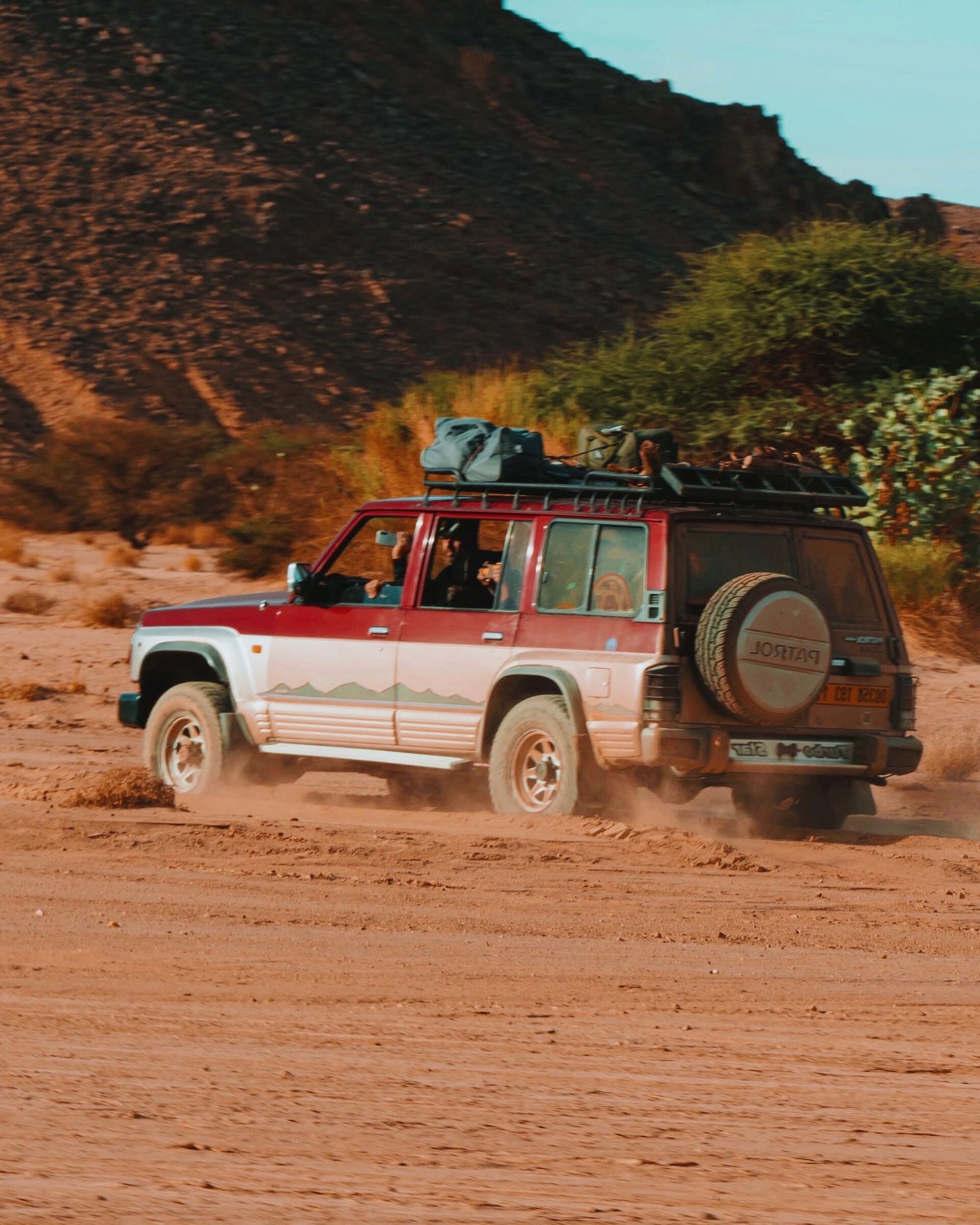
Quick Journey Overview
A 10–12 Day Journey Through Guinea's History, Nature and Hidden Wonders
A complete independent travel route from Conakry to the mountains, waterfalls, museums, islands and cultural heart of the Republic of Guinea
Introduction
Guinea is not a country that reveals itself in a single weekend.
It is a country of contrasts:
- the Atlantic coastline and tropical islands;
- the historic streets of Conakry;
- colonial memories along the Rio Nunez;
- the dramatic cliffs and waterfalls of Fouta Djallon;
- ancient cultural traditions;
- forests protecting some of West Africa's rarest wildlife.
For travellers willing to go beyond the usual destinations, Guinea offers something increasingly rare in modern tourism:
the feeling of discovery.
This 10–12 day journey is designed for travellers who want to experience Guinea's history, landscapes and people—not simply pass through it.
Guinea VibesSearch our Network. Start here.
Tour Overview
Route
🇬🇳 Conakry
↓
🏛 Museums & Heritage Sites
↓
🏰 Fort Boké & Rio Nunez
↓
🌿 Kindia Waterfalls
↓
⛰ Fouta Djallon Highlands
↓
💦 Ditinn / Kambadaga / Kinkon Waterfalls
↓
🌿 Cultural villages & mountain landscapes
↓
🏝 Îles de Los
↓
✈ Departure from Conakry
Before Starting: Important Preparation
Guinea is an extraordinary destination, but it requires planning.
This is not a country where every attraction has:
- online booking;
- tourist buses;
- large visitor centres;
- marked hiking trails.
That is exactly why preparation matters.
Before travelling:
✔ Check current official travel advice
✔ Confirm visa requirements
✔ Carry yellow fever vaccination documentation
✔ Bring sufficient cash in Guinean francs
✔ Arrange reliable transport outside Conakry
✔ Use local guides for remote areas
✔ Respect village customs and protected areas
Read also: Before You Go page
✔ Before You Go page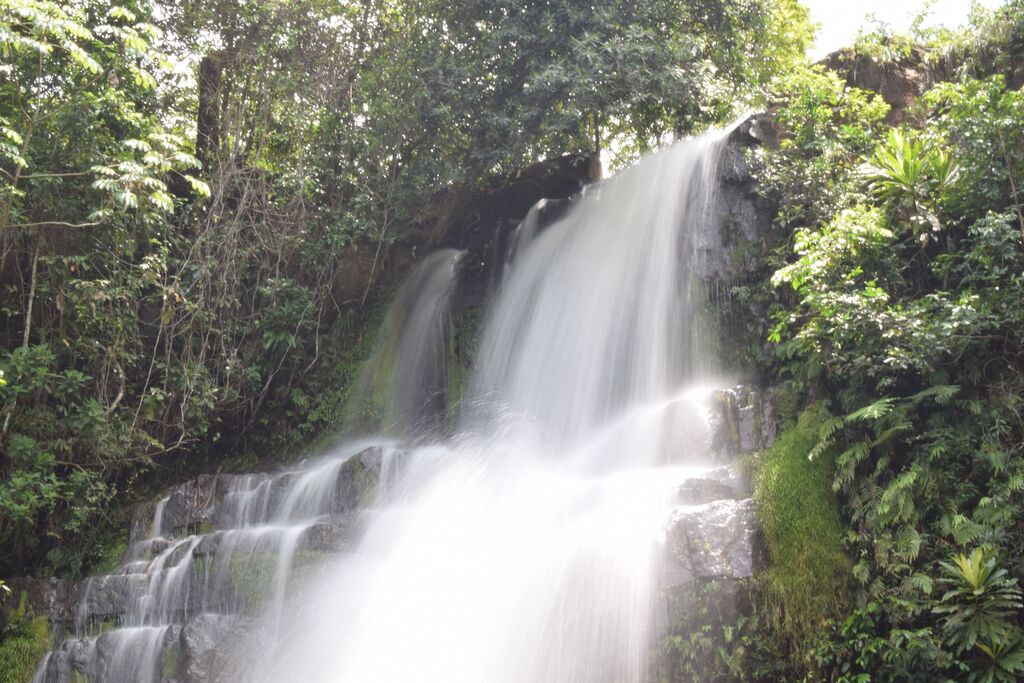
Days 1–2: Discovering Conakry
Guinea's Capital of History, Music and Memory
Most travellers arrive through Conakry.
The capital can appear chaotic at first, but behind the traffic and noise lies one of West Africa's most fascinating cities.
Suggested highlights:
National Museum of Guinea
The first essential stop.
A small but important collection introducing visitors to:
- traditional masks;
- musical instruments;
- historic objects;
- ethnic traditions;
- Guinea's artistic heritage.
Sandervalia and Colonial Conakry
Explore the historic heart of the city.
Highlights include:
- old colonial buildings;
- monuments;
- markets;
- the Kaloum peninsula;
- views over the Atlantic.
Grand Mosque Area
A symbol of Guinea's Islamic heritage and modern identity.
Evening Experience
Conakry is one of West Africa's great music capitals.
A visitor should experience:
- live percussion;
- traditional dance;
- modern Guinean music.
Day 3: Journey to Boké
Following Guinea's Historic Trading Routes
Distance:
Approximately 250–270 km from Conakry.
Travel time:
Around 4–6 hours depending on conditions.
The road north follows landscapes shaped by centuries of movement.
Along the way:
- villages;
- markets;
- agricultural areas;
- changing landscapes.
Day 4: Fort Boké and the Rio Nunez
This is one of the historical highlights of the entire journey.
Fort Boké
Explore:
- colonial walls;
- museum collections;
- traditional objects;
- historic prison cells;
- cannons overlooking the river.
(Read More: Fort Boké full article)
Understanding the Rio Nunez
The river was never just a river.
It was:
- a trading route;
- a connection between inland communities and the Atlantic;
- a place where cultures met;
- a centre of colonial competition.
Day 5: Boké to Kindia
From History Towards Nature
Return south-east towards Kindia.
Kindia is often called:
The gateway to Guinea's waterfalls.
The landscape changes dramatically:
- green hills appear;
- forests become thicker;
- rivers become more powerful.
Day 6: Kindia Waterfalls
Voile de la Mariée
The Bride's Veil
One of Guinea's most accessible waterfalls.
A beautiful introduction to the natural treasures of the country.
Activities:
- photography;
- forest walks;
- swimming (where conditions allow);
- local guides.
Soumba Waterfalls
Closer to Conakry and popular with local visitors.
A good place to experience Guinean weekend culture.
Days 7–9: Fouta Djallon Highlands
Guinea's Mountain Kingdom
This is the heart of the journey.
The Fouta Djallon is one of West Africa's most spectacular landscapes.
Known as:
The Water Tower of West Africa
because many major rivers begin here.
Dalaba
A perfect base.
Highlights:
- mountain scenery;
- cooler climate;
- traditional architecture;
- local crafts.
Ditinn Waterfall
One of Guinea's most spectacular natural sites.
A dramatic waterfall surrounded by:
- cliffs;
- forests;
- traditional villages.
A local guide is strongly recommended.
Kambadaga Falls
A series of powerful cascades surrounded by dramatic scenery.
One of the places where Guinea's natural beauty is at its most impressive.
Kinkon Falls
Near Labé.
A powerful waterfall surrounded by Guinea's highland landscape.
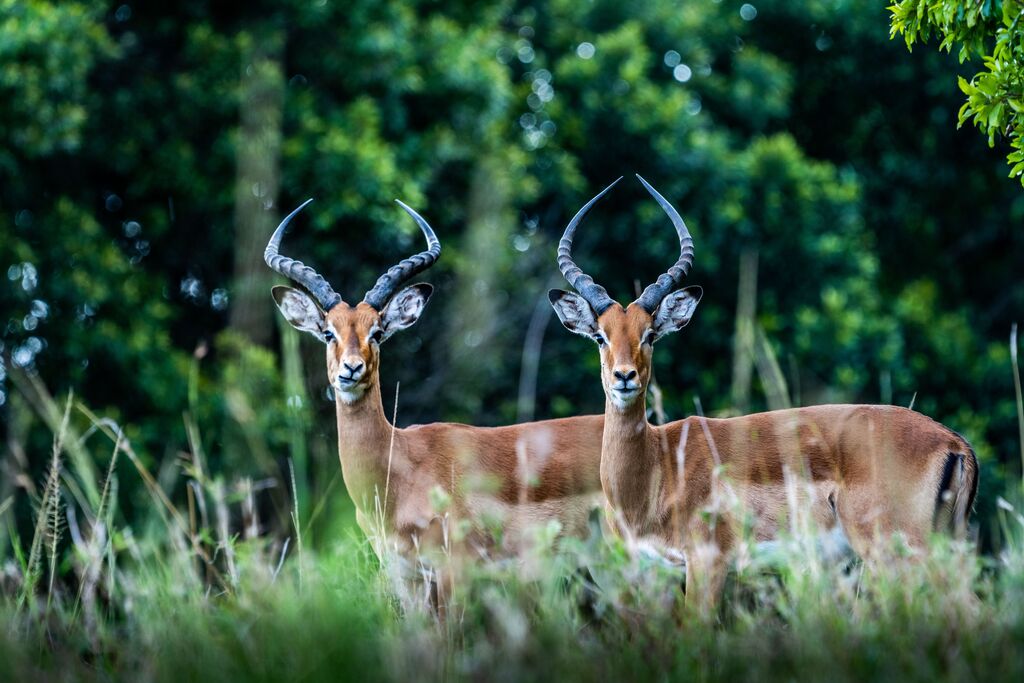
Wildlife Possibilities
Depending on route and time:
Possible experiences include:
- bird watching;
- forest walks;
- primate habitats;
- cultural landscapes.
For dedicated wildlife journeys, separate planning is recommended for:
- Haut Niger National Park;
- Mount Nimba;
- Ziama Massif;
- Bossou chimpanzee region.
Day 10: Return Towards Conakry
The return journey is not simply transport.
It is another opportunity to experience:
- villages;
- markets;
- countryside;
- everyday Guinea.
Day 11: Îles de Los
Guinea's Atlantic Escape
A completely different Guinea.
Just offshore from Conakry are the Îles de Los.
Highlights:
🏝 Kassa Island
🏝 Roume Island
🏝 Tamara Island
Experience:
- beaches;
- fishing communities;
- ocean views;
- relaxed island life.
Day 12: Departure
Final morning:
- souvenirs;
- local crafts;
- photography;
- last Guinean meal.
Leave Guinea knowing that you have experienced a country that remains one of West Africa's most fascinating discoveries.
Practical Budget Overview
Comfortable Independent Traveller
Approximate:
Accommodation
Conakry:
$80–180 per night
Regional towns:
$30–70 per night
Transport
Private 4x4 with driver:
Often the biggest cost.
Budget approximately:
$100–150 per day including driver (depending on vehicle and arrangements).
Food
Local meals:
Very affordable.
International-style restaurants:
Higher prices.
Guides and Local Fees
Allow additional funds for:
- village guides;
- waterfalls;
- museums;
- protected areas;
- local transport.
Best Travel Period
Recommended:
November – January
Advantages:
✔ roads improved after rainy season
✔ waterfalls still impressive
✔ cooler temperatures
✔ better hiking conditions
Possible:
February – March
Advantages:
✔ drier weather
✔ easier road travel
Consider:
- hotter conditions;
- more dust.
Final Thoughts
Guinea is not a destination for travellers looking only for convenience.
It rewards curiosity.
The country offers something increasingly rare:
A place where history is still visible, where landscapes remain largely untouched, where communities preserve traditions, and where every journey feels personal.
From the stone walls of Fort Boké to the waterfalls of Fouta Djallon, from Conakry's music to the islands of the Atlantic, this journey reveals the many faces of Guinea.
A country waiting to be discovered.
➡ Before You Go Guinea Guide➡ Why Travel Guinea?