Fort Boké Guinea's Colonial Gateway on the Rio Nunez
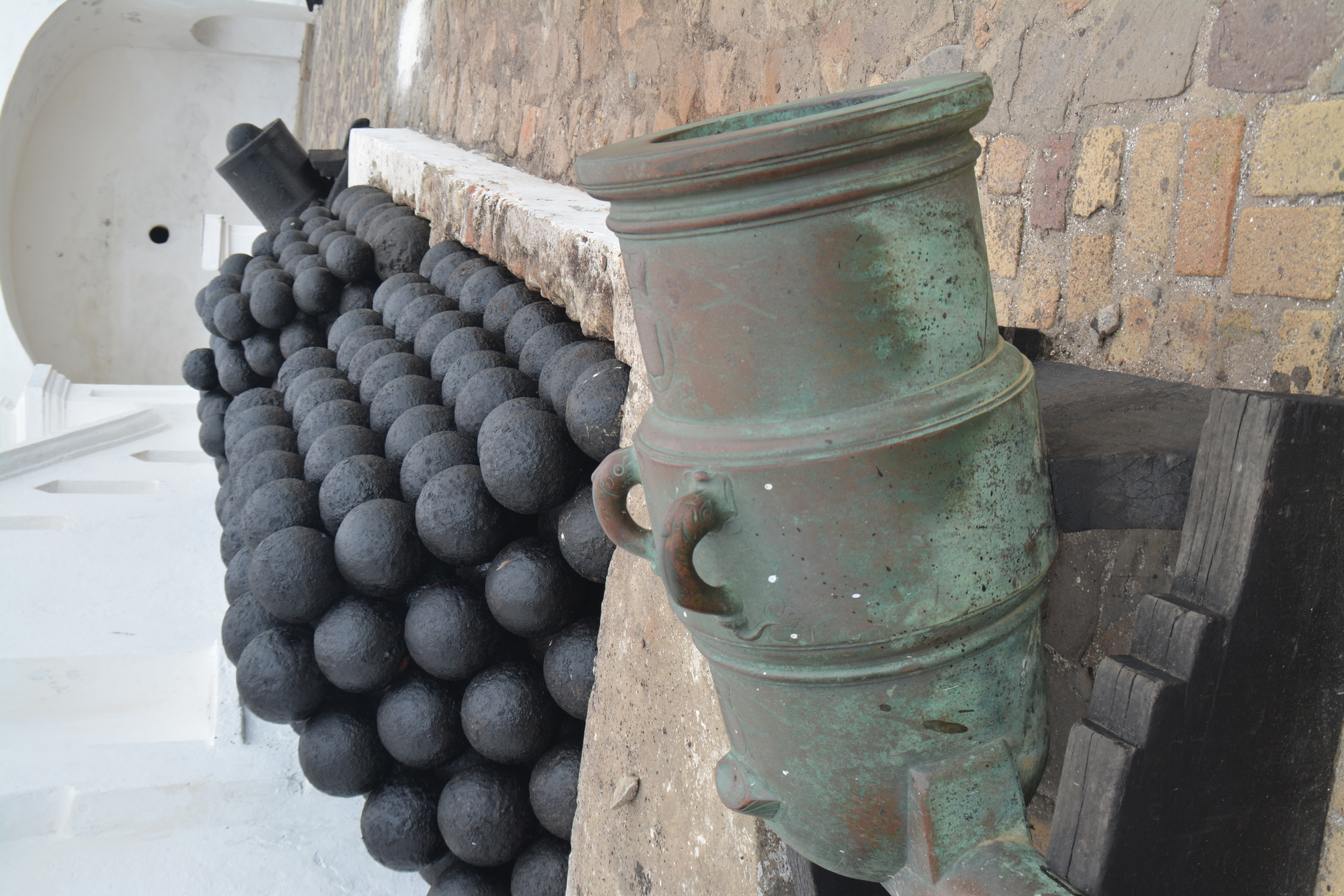
Header Photo by Remo Kurka (Archive of Cape Coast Castle)
Fort Boké at a Glance
- Built: 1878
- Original purpose: French colonial military & administrative fort
- Current use: Regional museum
- Distance from Conakry: approx. 250–270 km by road
- Driving time: around 4–6 hours
- River: Rio Nunez
- Region: Boké
- Best visit: Half-day
- Combine with: Kamsar, Rio Nunez, Badiar National Park
A Guinea Heritage Journeys Original
The Complete Guide to Guinea's Most Important Colonial Fortress and Regional Museum
Standing quietly above the waters of the Rio Nunez, Fort Boké has witnessed almost a century and a half of Guinea's remarkable history. Long before it became a museum welcoming visitors from around the world, this small stone fortress stood at the centre of French colonial expansion into what is today the Republic of Guinea. Soldiers marched through its gates, traders unloaded goods along the river, colonial officials governed the surrounding territories, and prisoners whose names would later become part of Guinea's national story were confined within its walls.
Today, Fort Boké is far more than an old military building. It is one of Guinea's most important historic landmarks—a place where the stories of African kingdoms, European exploration, colonial administration, resistance, independence and cultural preservation all meet.
For anyone wishing to understand Guinea beyond its beautiful landscapes, Fort Boké is one of the country's essential destinations.
Guinea VibesSearch our Network. Start here.
Fort Boké at a Glance
Location: Boké, Boké Region, north-western Guinea
Built: 1878
Original purpose: French military and administrative fort
Current function: Regional Museum of Boké
Distance from Conakry: approximately 250–270 km by road
Driving time: usually 4–6 hours depending on road conditions
River: Rio Nunez
Recommended visit: Half a day (allow longer if combining with Boké town)
Nearby attractions: Rio Nunez, Kamsar, Badiar National Park, historic trading routes
A Strategic Position Long Before the French
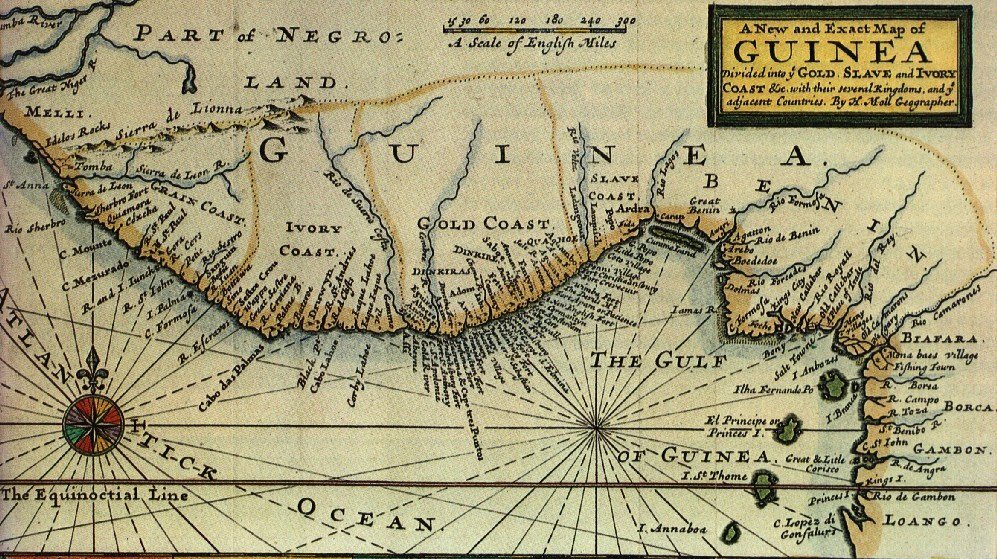
Long before European colonial powers arrived, the lower Rio Nunez region already occupied an important position in West African trade.
The river linked inland communities with the Atlantic coast, allowing goods, ideas and people to move between the interior and international trading networks. Communities including the Nalou, Landouma, Baga and later Susu established villages and trading centres throughout the region, while merchants from further inland exchanged agricultural products, salt, textiles and other goods with coastal traders.
Portuguese navigators reached this coastline centuries earlier, followed by British and French merchants who recognised the importance of these waterways.
By the nineteenth century, Boké had become one of several strategic locations where European commercial interests increasingly overlapped—and often conflicted—with local political authority.
Why France Chose Boké
The location was no accident.
From the summit overlooking the Rio Nunez, almost every movement along the river could be observed.
Any vessel approaching from the Atlantic first had to pass beneath the watchful eyes of whoever controlled the high ground.
For France, Boké offered several advantages.
It protected commercial interests.
It strengthened political influence along the coast.
It provided a military base during the gradual expansion into the Guinean interior.
It also helped counter British and Portuguese influence, both of whom maintained important interests elsewhere along the Upper Guinea coast.
During this period, colonial expansion was rarely achieved through military force alone. Treaties, commercial agreements, diplomacy and local alliances often preceded direct administration.
Fort Boké became one of the principal symbols of this expanding French presence.
Construction of the Fort in 1878
Construction began in 1878.
Although relatively modest in size compared with the great coastal forts of Ghana, Fort Boké was designed for a very different purpose.
Rather than defending against major naval attacks, it functioned as a combined military headquarters, administrative centre and strategic observation post.
The elevated site provided commanding views across the Rio Nunez.
Stone walls surrounded the principal buildings.
Cannons protected the river approaches.
Within the compound were offices, officers' accommodation, storage rooms, guard posts and underground detention cells.
Further downhill towards the river stood additional warehouses used for storing commercial goods arriving by boat.
Today, traces of some of these riverside structures can still be identified beneath surrounding vegetation.
The Beginning of Colonial Guinea
Many historians regard Boké as one of the principal gateways through which French colonial administration expanded into Guinea.
From here, administrative control gradually spread across surrounding territories.
Additional trading stations were established along nearby rivers including the Rio Pongo, Dubréka and Mellacorée.
These formed a chain of colonial outposts from which France steadily extended its authority inland.
However, this expansion was far from peaceful.
Local leaders repeatedly challenged colonial authority.
Resistance continued for decades, reminding colonial administrators that political control could never simply be declared—it had to be constantly defended.
Fort Boké as a Prison
Perhaps the most moving part of the fort lies beneath ground level.
The underground cells remind visitors that Fort Boké was not only an administrative headquarters but also a prison.
Among its most famous prisoners was Almamy Alpha Yaya Diallo, the respected ruler of Labé, who resisted French colonial authority before being arrested and imprisoned.
Another notable prisoner was Dinah Salifou Camara, the final king of the Nalou people, whose imprisonment symbolised the gradual dismantling of traditional political authority along Guinea's coast.
Walking through these cells today transforms historical names into human stories.
The thick stone walls, narrow spaces and limited light provide a powerful reminder of the realities of colonial rule.
For many visitors, this becomes the emotional centre of the museum.
Everyday Life Inside the Fort
It is easy to imagine Fort Boké only during moments of conflict.
Yet much of its history consisted of ordinary daily routines.
French officers wrote reports.
African interpreters translated conversations between colonial officials and local leaders.
Soldiers guarded the gates.
Messengers arrived from Conakry carrying official correspondence.
Boats unloaded supplies at the riverside.
Taxes were collected.
Merchants negotiated prices.
Maps were updated.
Outside the walls, Boké itself continued to grow as local communities adapted to rapidly changing political circumstances.
These quieter moments are rarely mentioned in history books, yet they formed the everyday rhythm of colonial administration.
From Colonial Fortress to Museum
Following Guinea's independence in 1958, attitudes towards the country's history began to change.
Rather than allowing Fort Boké to fall into ruin, the government decided that the building should become a place where Guineans could preserve and present their own cultural heritage.
In 1971, under President Ahmed Sékou Touré, the former colonial fort was officially transformed into a museum.
The museum underwent further restoration in 1982 through the Association of the Friends of the Museum, and additional restoration work has continued in more recent years, helping safeguard one of Guinea's most important historic monuments.
Exploring the Museum Today
Although compact in size, the museum contains an impressive collection representing many of the cultures of north-western Guinea.
Visitors will discover traditional Baga ceremonial objects, communication drums once used to send messages between villages, initiation drums, agricultural tools, ancient hunting weapons, ceremonial objects, old firearms and examples of traditional currencies.
One of the most celebrated pieces is the magnificent Nimba mask, one of the most recognisable symbols of Baga culture and fertility.
Equally fascinating are the communication drums, which demonstrate how sophisticated long-distance communication existed centuries before telephones or radio.
Every object tells part of the wider story of Guinea's remarkable cultural diversity.
The Courtyard of Memory
Outside, the museum courtyard provides another layer of historical interpretation.
Old cannons still stand overlooking the landscape.
Busts honour several of Guinea's great historical figures, including Samory Touré, Alpha Yaya Diallo and Dinah Salifou Camara.
Nearby stands a commemorative stele marking the departure of the French explorer René Caillié on 19 April 1827 during his famous journey towards Timbuktu.
Together, these monuments reflect the many different chapters of Guinea's past—exploration, resistance, colonisation and national memory—all within one historic site.
Visiting Fort Boké
A visit to Fort Boké fits comfortably into a wider exploration of north-western Guinea.
The journey from Conakry usually takes between four and six hours depending on road conditions and traffic.
Foreign visitors should expect to pay a higher entrance fee than Guinean residents, while school groups benefit from reduced admission. Local guides are often available and greatly enrich the visit by sharing stories, legends and historical context that bring the fort to life.
Beyond the Walls
Fort Boké should never be viewed in isolation.
It forms part of a much larger historical landscape.
Nearby are the waters of the Rio Nunez, once an important commercial artery linking inland Guinea with the Atlantic.
The wider Boké Region includes traditional villages, historic trading routes, the modern mining town of Kamsar and the spectacular landscapes leading towards Badiar National Park.
Together, they reveal how history, culture, commerce and nature remain closely connected in this part of Guinea.
Why Fort Boké Still Matters
Many colonial buildings across Africa have disappeared or survive only as ruins.
Fort Boké is different.
Its walls now preserve stories rather than enforce authority.
Where officials once administered colonial rule, visitors now learn about Guinea's cultural richness.
Where prisoners were once confined, today's museum encourages reflection on freedom, identity and resilience.
Fort Boké reminds us that history is rarely simple. It is a place where commerce and conquest, resistance and resilience, memory and renewal all intersect. Standing above the Rio Nunez, it continues to watch over Guinea—not as a fortress of empire, but as a guardian of the nation's shared heritage.
➡ Historic Trading Ports of Guinea➡ Guinea's Forts and Heritage Sites