Pan‑African Guinea: The Nation That Stood for Africa When Others Could Not
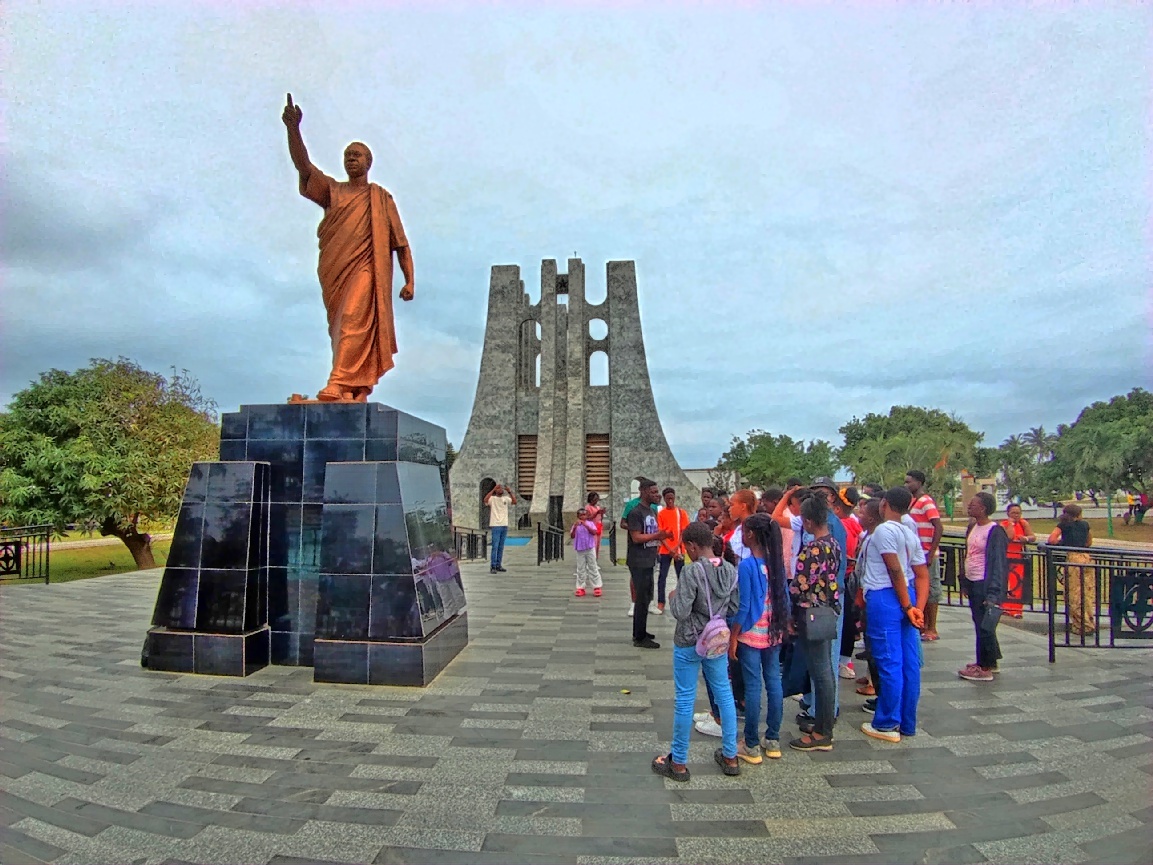
Remo Kurka - Guinea is often described as “under the radar,” but in the story of African independence, it stands at the center. This is the country that said NO to colonial rule when others hesitated. The country that welcomed exiled leaders when others turned away. The country that carried the Pan‑African dream when it was dangerous to do so.
Guinea is not just a destination. Guinea is a symbol.
A symbol of courage. A symbol of unity. A symbol of African dignity.
And today, as Africa redefines its future, Guinea’s Pan‑African legacy is more relevant than ever.
Guinea VibesSearch our Network. Start here.
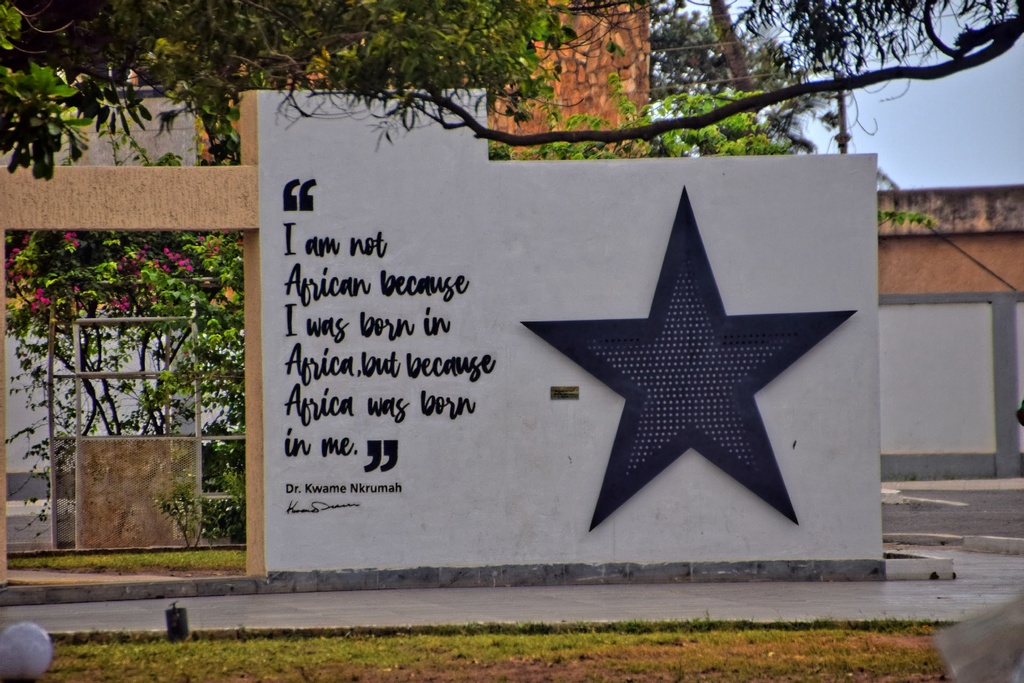
"I am not African because i was born in Africa, but because Africa was born in me," - Kwame Nkrumah (c) photo by Remo Kurka
1958: The Day Guinea Changed Africa
In 1958, France offered its colonies a choice:
accept continued French control
or vote for immediate independence
Most territories feared economic retaliation and voted to stay under France.
Guinea did not.
Under Ahmed Sékou Touré, Guinea became the first French colony to choose full independence, declaring:
“We prefer freedom in poverty to riches in slavery.”
This moment shook the colonial world. It inspired independence movements across Africa. It marked Guinea as a nation willing to stand alone for its principles.
Guinea became the spark of African liberation.
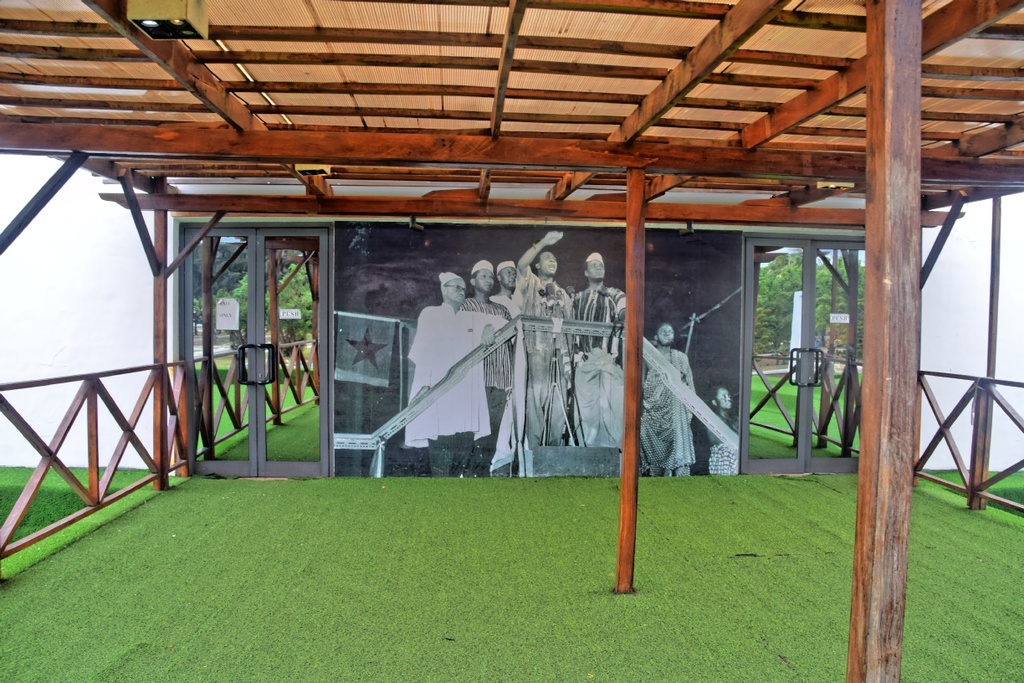
Kwame Nkrumah was welcomed into Guinea as a Co-President 1966 - Kwame Nkrumah Memorial Park, Accra, Ghana (c) Remo Kurka
Kwame Nkrumah & Guinea: A Brotherhood Beyond Borders
Guinea’s Pan‑African identity deepened when Ghana’s first president, Kwame Nkrumah, was overthrown in 1966.
While many nations distanced themselves, Guinea did the opposite.
Guinea welcomed Nkrumah as a brother.
Conakry became his home.
Sékou Touré named him Honorary Co‑President of Guinea.
This was not symbolic. It was a declaration:
“Africa is one. Our leaders are one. Our future is one.”
No other African nation has ever offered such solidarity to a foreign leader.
This act cemented Guinea’s place in Pan‑African history.
A Nation That Paid the Price for Its Principles
Guinea’s Pan‑African stance came with consequences:
economic isolation
political pressure
diplomatic retaliation
decades of instability
internal struggles
authoritarian leadership
slow development
Guinea suffered because it refused to bow.
But this suffering also forged something rare:
A national identity built on resilience, pride, and independence.
Guinea’s story is not one of defeat — it is one of endurance.
Pan‑Africanism in Daily Life
Unlike many countries where Pan‑Africanism is a historical concept, in Guinea it is part of daily life.
You see it in:
Fulani cultural pride
community solidarity
music and dance traditions
political consciousness
respect for African unity
oral storytelling
village leadership structures
Guinea’s people carry the Pan‑African spirit naturally — not as ideology, but as identity.
Why Pan‑African Guinea Matters Today
In a world where African nations seek:
stronger regional cooperation
cultural revival
economic independence
continental unity
diaspora engagement
heritage preservation
Guinea’s legacy becomes a guiding example.
Guinea reminds Africa:
that unity is possible
that courage matters
that independence has a price
that solidarity is powerful
that history shapes the future
This is why Guinea deserves global attention — not only for its landscapes, but for its soul.