Guinea: West Africa’s Last Untouched Adventure Frontier
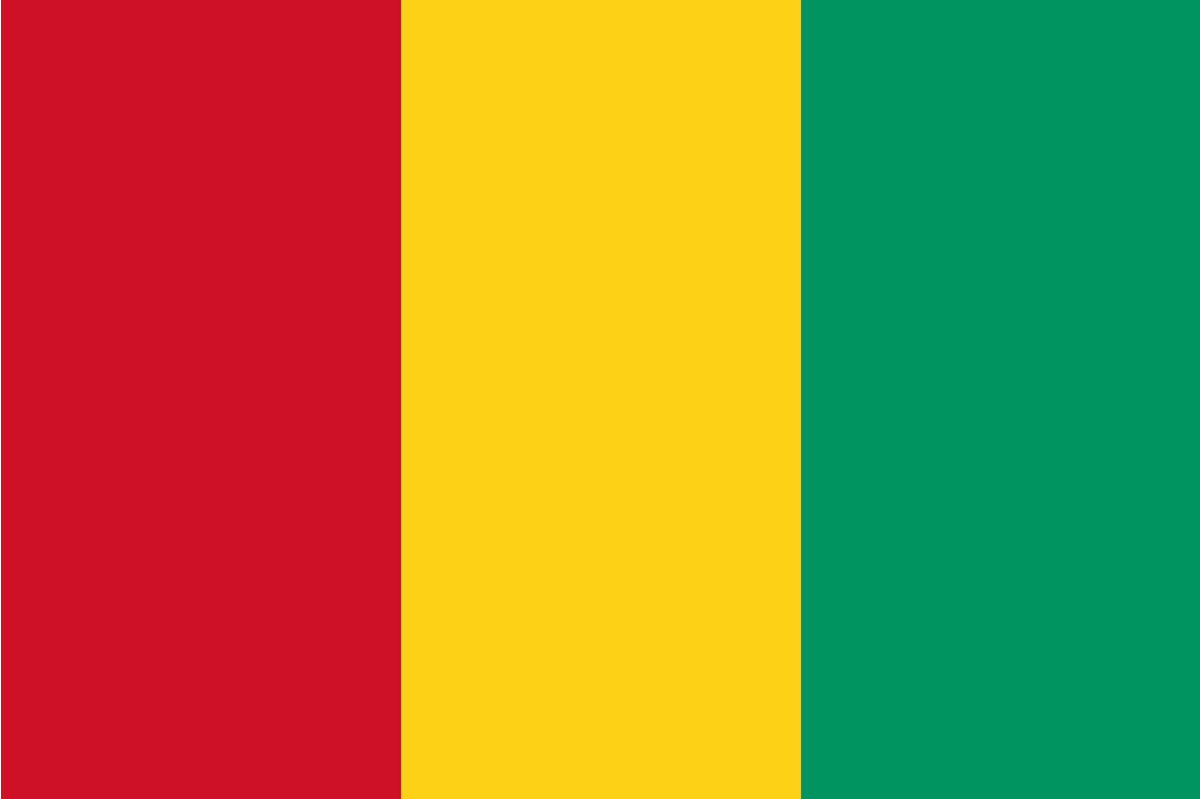
Remo Kurka - Guinea remains one of West Africa’s least‑visited countries — not because it lacks beauty or culture, but because it has never been part of the region’s mainstream tourism routes. While Ghana and Senegal attract international visitors with established infrastructure, Guinea offers something different: mountain landscapes, powerful waterfalls, living traditions, and a remarkable place in Pan‑African history.
Traveling here isn’t about checking off famous landmarks. It’s about exploring the Fouta Djallon Highlands, meeting welcoming communities, learning about Guinea’s role in African independence, and experiencing a side of West Africa that remains authentic, unfiltered, and deeply rewarding.
Whether you’re an adventurous traveler, a cultural explorer, or someone interested in African history, Guinea offers far more than most people expect.
Guinea VibesSearch our Network. Start here.
Why Visit Guinea?
Guinea is often overlooked — and that is exactly its strength. Visitors won’t find large resorts or heavily commercialized tourist zones. Instead, they discover:
traditional villages
untouched nature
spectacular waterfalls
vibrant Fulani culture
a slower, more authentic pace of life
Guinea is known for:
The Fouta Djallon Highlands
West Africa’s most impressive waterfalls
Rich Fulani (Peul) heritage
Mount Nimba (UNESCO World Heritage Site)
A unique role in African independence and Pan‑African history
For travelers who enjoy nature, hiking, culture, and history, Guinea is one of West Africa’s most rewarding destinations.
Explore the Fouta Djallon Highlands
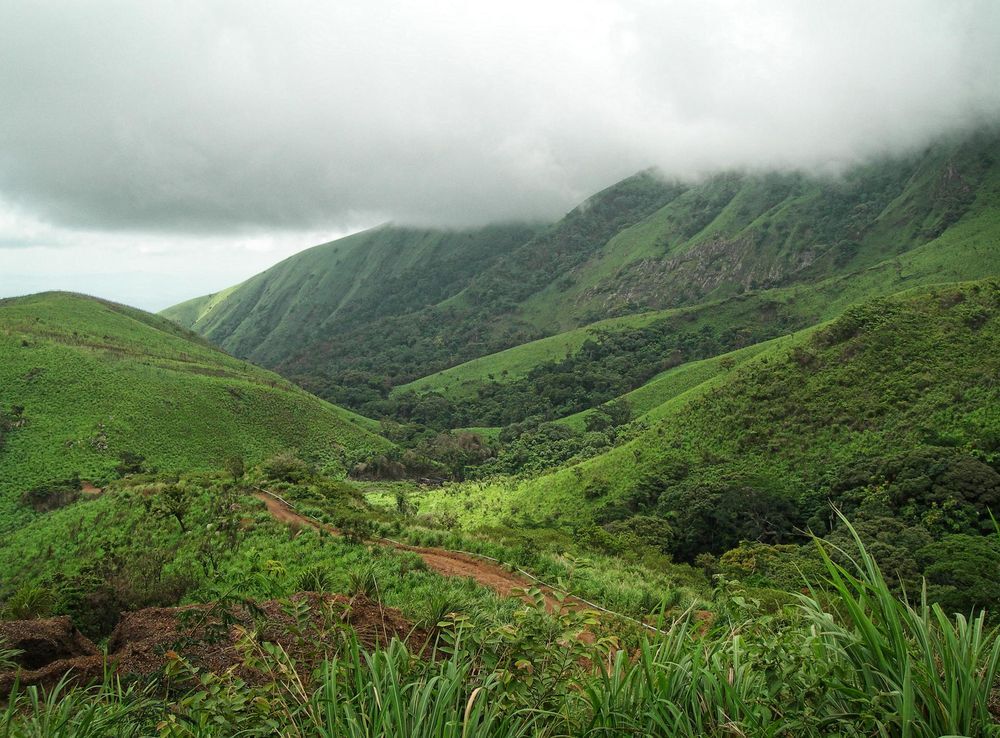
The Fouta Djallon is Guinea’s most iconic natural region — a vast highland area filled with plateaus, valleys, rivers, cliffs, forests, and traditional villages. Thanks to its elevation, temperatures are cooler and more pleasant than along the coast.
The region is ideal for:
multi‑day hikes
scenic drives
village visits
nature exploration
waterfall excursions
Unlike many mountain destinations, the trails here remain quiet and peaceful. Visitors often find themselves alone with the landscape — a rare experience in today’s world.
Chasing Guinea’s Waterfalls
Guinea is sometimes called “the water tower of West Africa” because several major rivers — including the Niger, Senegal, and Gambia Rivers — originate here.
The country’s terrain creates countless waterfalls, many still unknown outside the region.
Ditinn Waterfall
One of the tallest waterfalls in West Africa, plunging dramatically into a deep valley. Reaching it requires a journey through the Fouta Djallon, but the route itself is part of the adventure.
Kambadaga Waterfall
Three waterfalls side‑by‑side, cascading over wide rock formations. It is one of Guinea’s most striking natural sights, especially during the rainy season.
Visit Mount Nimba (UNESCO)
In southeastern Guinea lies Mount Nimba, part of a mountain range shared with Liberia and Côte d’Ivoire. Recognized as a UNESCO World Heritage Site, the area is famous for:
exceptional biodiversity
rare wildlife
unique ecosystems
ongoing scientific research
For nature enthusiasts, Mount Nimba is one of West Africa’s most important protected landscapes.
Experience Fulani Culture
Guinea is one of the cultural heartlands of the Fulani (Peul) people. Their traditions remain part of daily life — not staged for tourists, but lived authentically.
Visitors may encounter:
traditional music and dance
colorful clothing and textiles
local markets
oral storytelling
community festivals
warm hospitality
Taking time to visit villages and markets often becomes one of the most memorable parts of a trip to Guinea.
Guinea’s Place in African History
Guinea holds a unique position in the story of African independence.
Key moments:
1958: Guinea becomes the first French colony to vote for immediate independence.
Under President Ahmed Sékou Touré, Guinea becomes a leading voice for African unity.
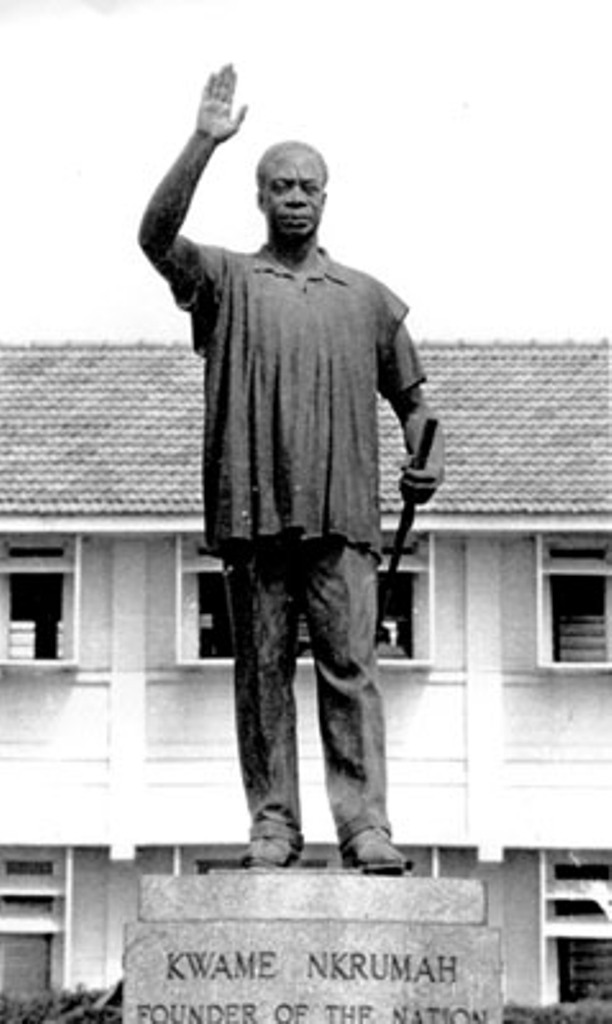
After the 1966 coup in Ghana, Kwame Nkrumah finds refuge in Conakry.
Sékou Touré names Nkrumah Honorary Co‑President of Guinea — a powerful symbol of Pan‑African solidarity.
For travelers interested in African political history, Guinea offers a meaningful and deeply significant experience.
Who Should Visit Guinea?
Guinea is ideal for travelers who enjoy independent exploration and authentic cultural experiences.
Perfect for:
adventure travelers
hikers
nature lovers
birdwatchers
cultural explorers
history enthusiasts
Pan‑African researchers
photographers
heritage travelers
Infrastructure is developing, so flexibility helps — but many visitors find that this is part of Guinea’s charm.
Lasting Impressions
Guinea is not a destination for everyone — and that is precisely why it leaves such a lasting impression.
Its mountains remain undeveloped, its waterfalls retain their natural power, and its cultural traditions continue to shape everyday life. Combined with a remarkable history and welcoming communities, Guinea offers a chance to experience a different side of West Africa.
For travelers willing to go beyond the region’s familiar destinations, Guinea rewards curiosity with unforgettable landscapes, rich heritage, and experiences that feel genuinely connected to the country itself.