Source of the Niger River — Where West Africa Begins Its Journey
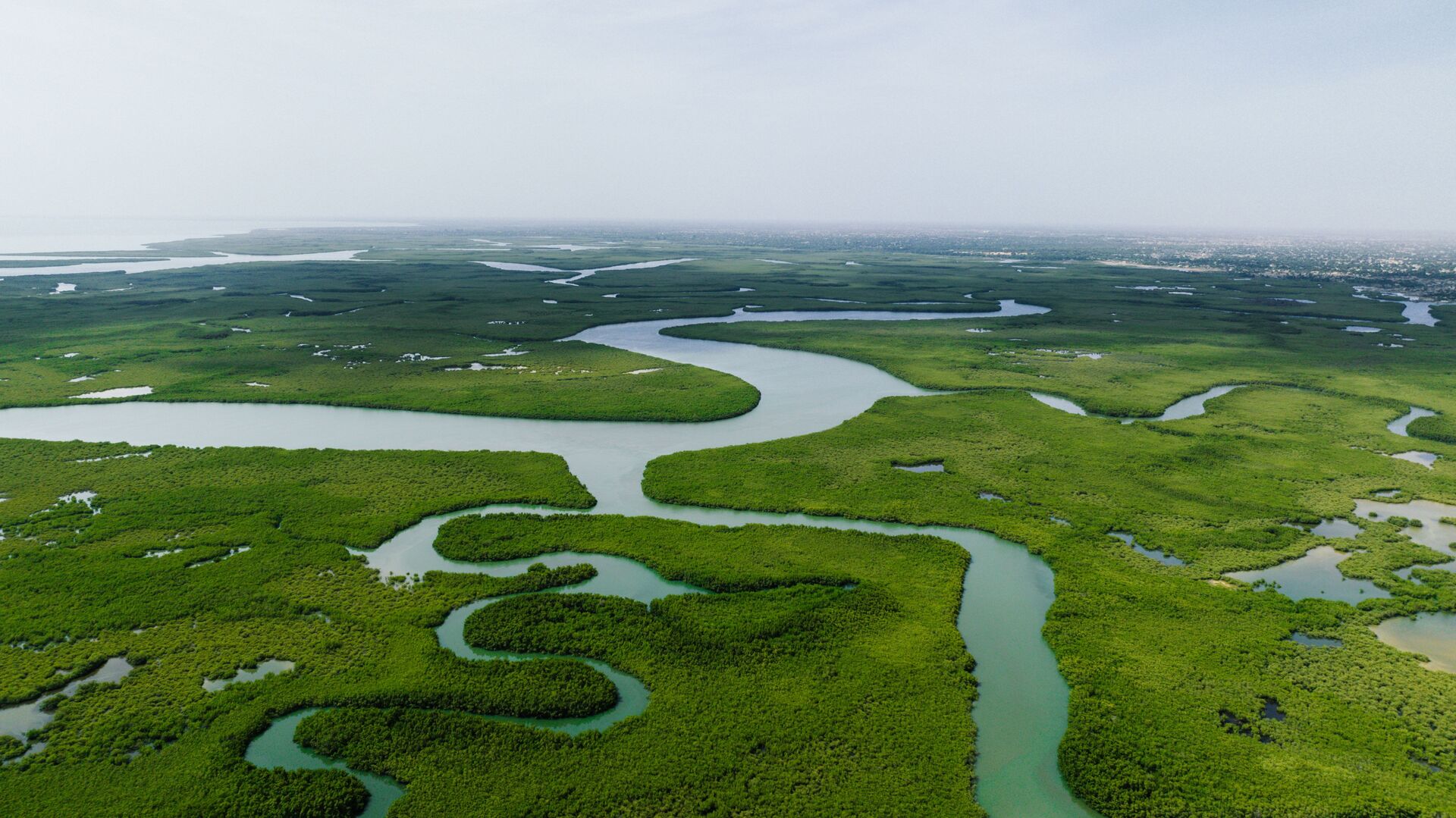
In the quiet highlands of central Guinea, where the earth rises into gentle hills and the air carries the cool breath of morning, a small stream begins a journey that will shape nations. This is the Source of the Niger River — the birthplace of one of Africa’s greatest waterways, a place where a modest spring becomes a river of history, culture, and life.
Here, the landscape feels humble yet sacred. The water is clear, the forest calm, and the silence deep enough to hear the river’s first heartbeat.
Guinea VibesSearch our Network. Start here.
A River Born in the Highlands
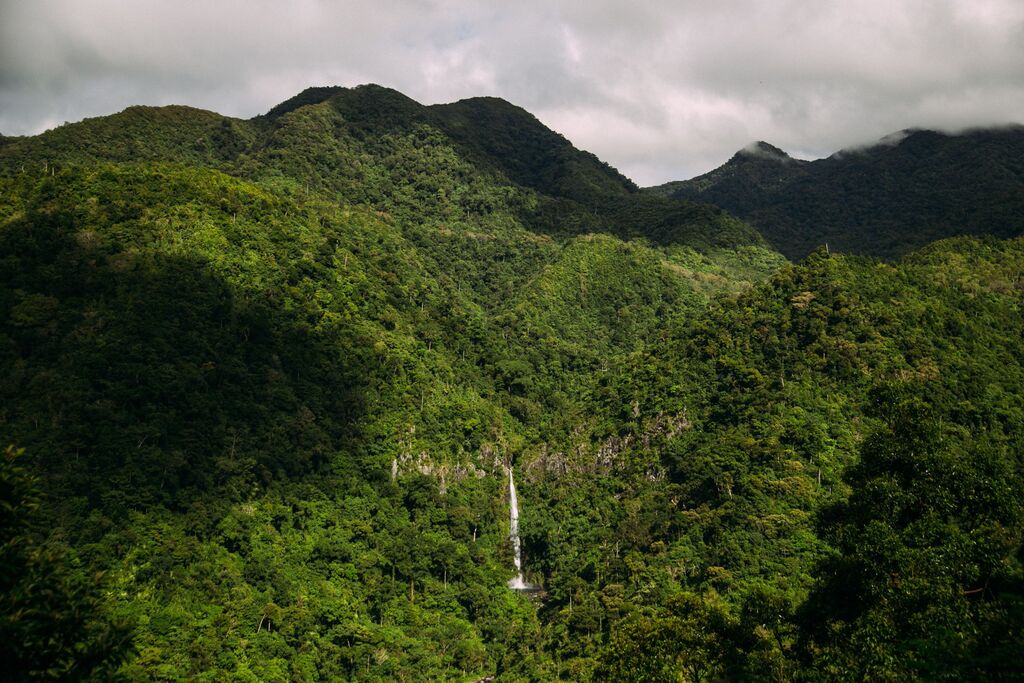
The Niger River begins not with a roar, but with a whisper. Small streams gather in the Fouta Djallon highlands, weaving through rocks, roots, and moss until they merge into a single flow. This gentle beginning contrasts with the river’s future — a mighty waterway stretching thousands of kilometers across Mali, Niger, and Nigeria.
Standing at the source, you feel the weight of what this river becomes:
a lifeline for millions
a cultural artery of West Africa
a historic trade route
a symbol of connection between nations
Yet here, it is simply water finding its way.
A Landscape of Quiet Beauty
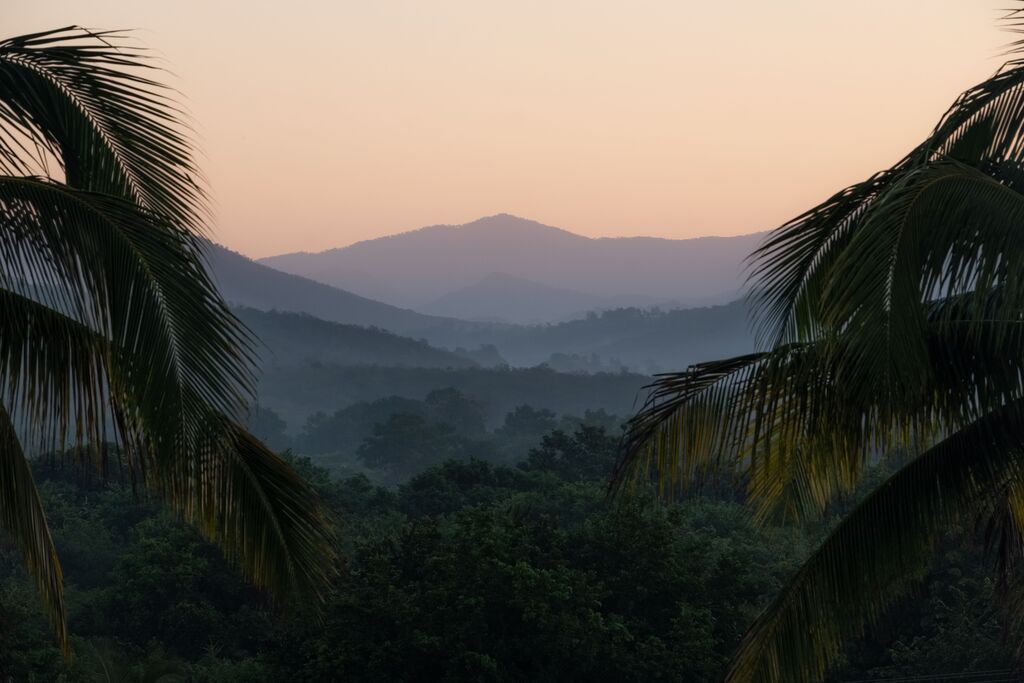
The area around the source is peaceful and green. Tall grasses sway in the wind, small trees lean toward the water, and the hills roll softly into the distance. The terrain is perfect for slow walks, photography, and quiet reflection.
The beauty is subtle, shaped by:
cool highland air
soft morning light
narrow forest paths
clear pools forming the river’s earliest steps
It is not dramatic — it is intimate.
Wildlife and Plant Life
The Source of the Niger is surrounded by highland vegetation and small pockets of forest. Depending on the season, you may see:
birds resting near the water
small mammals moving through the undergrowth
butterflies gathering around damp soil
freshwater plants lining the stream
The wildlife here is gentle, fitting the calm nature of the landscape.
Nearby Cities & Towns (Accommodation Planning)
Travelers visiting the Source of the Niger usually base themselves in nearby towns that offer comfort, access, and local guidance.
Mamou — The Highland Hub
Mamou is the closest major city and the best starting point for visiting the source.
hotels and guesthouses
restaurants and markets
transport connections
local guides familiar with the highlands
It is the ideal base for travelers who want convenience before heading into nature.
Dalaba — The Balcony of Guinea
Dalaba is slightly further but offers a unique atmosphere.
cool climate
scenic viewpoints
colonial-era architecture
peaceful guesthouses
Travelers often combine Dalaba with highland exploration, making it a beautiful stop before or after visiting the source.
Pita — Gateway to Highland Wonders
Pita is known for its waterfalls and highland landscapes.
simple lodging
local food
access to rural routes
It is perfect for travelers who want to explore multiple natural sites in one trip.
Travel Notes
Access: Rural roads from Mamou, Dalaba, or Pita. A local guide is recommended.
Best time to visit: Dry season, when paths are clear and the water is easy to reach.
Activities: Walking, photography, nature observation, cultural encounters.
Atmosphere: Calm, reflective, meaningful — ideal for travelers who appreciate quiet landscapes.
The Source of the Niger is not a tourist attraction in the traditional sense. It is a place of meaning.
Imagine…
Imagine walking through a quiet highland forest, the air cool and fresh. Imagine reaching a small spring where clear water gathers, knowing this gentle flow will become one of Africa’s greatest rivers. Imagine touching the water and feeling connected to thousands of kilometers of history, culture, and life downstream. Imagine standing at the beginning of a story that travels across nations.
The Source of the Niger is not just a place. It is the start of West Africa’s heartbeat.