Simandou Range — Guinea’s Untamed Spine of Mountains and Mist
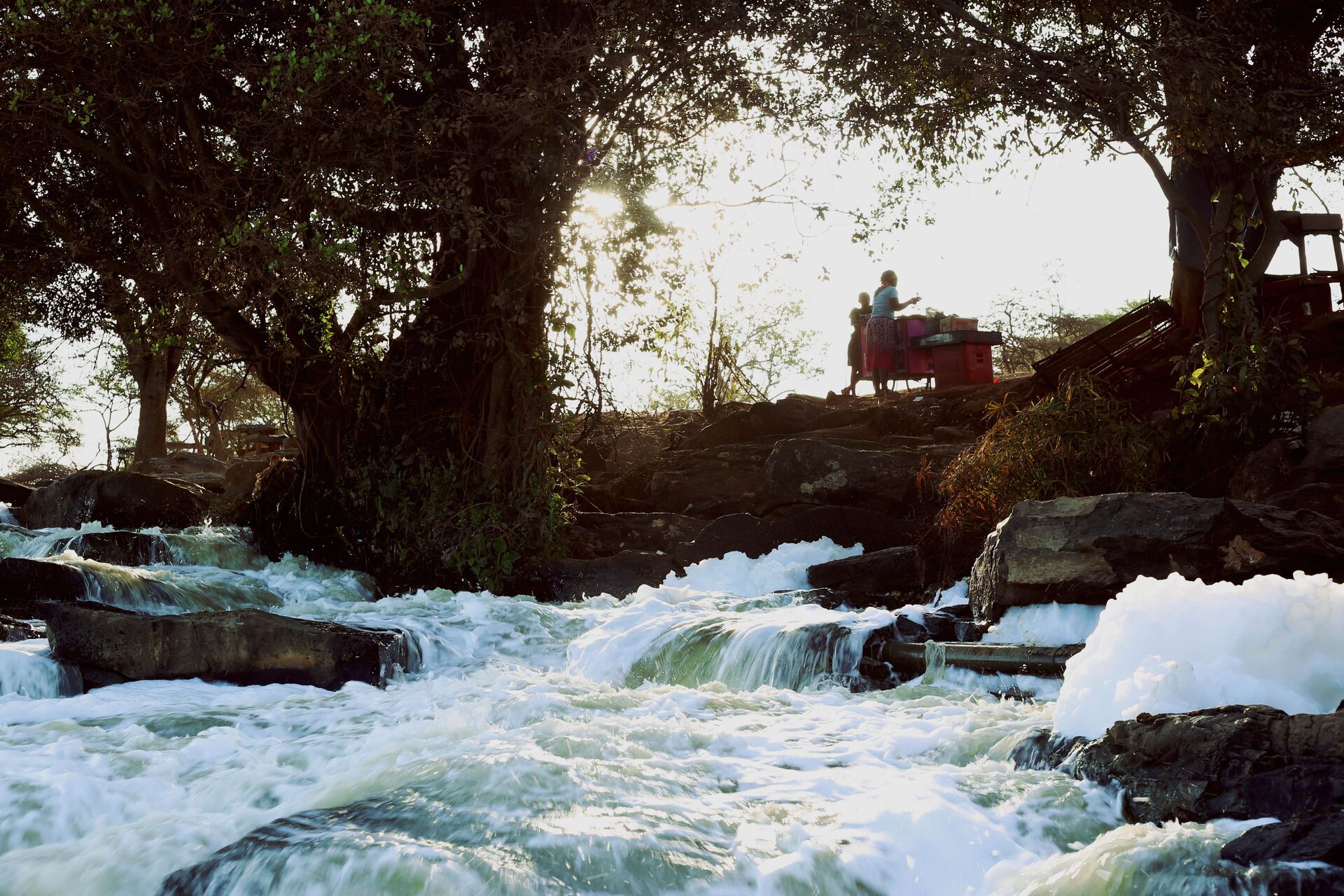
Stretching across southeastern Guinea like a sleeping dragon, the Simandou Range is one of the country’s most dramatic and least explored mountain systems. Known internationally for its mineral wealth, Simandou is far more than a mining zone — it is a natural wonder, a biodiversity corridor, and a landscape of towering peaks wrapped in mist.
This is a place where mountains rise sharply from the forest floor, where clouds cling to rocky ridges, and where nature still feels ancient, untouched, and powerful.
Simandou is not just a range. It is a frontier of beauty.
Guinea VibesSearch our Network. Start here.
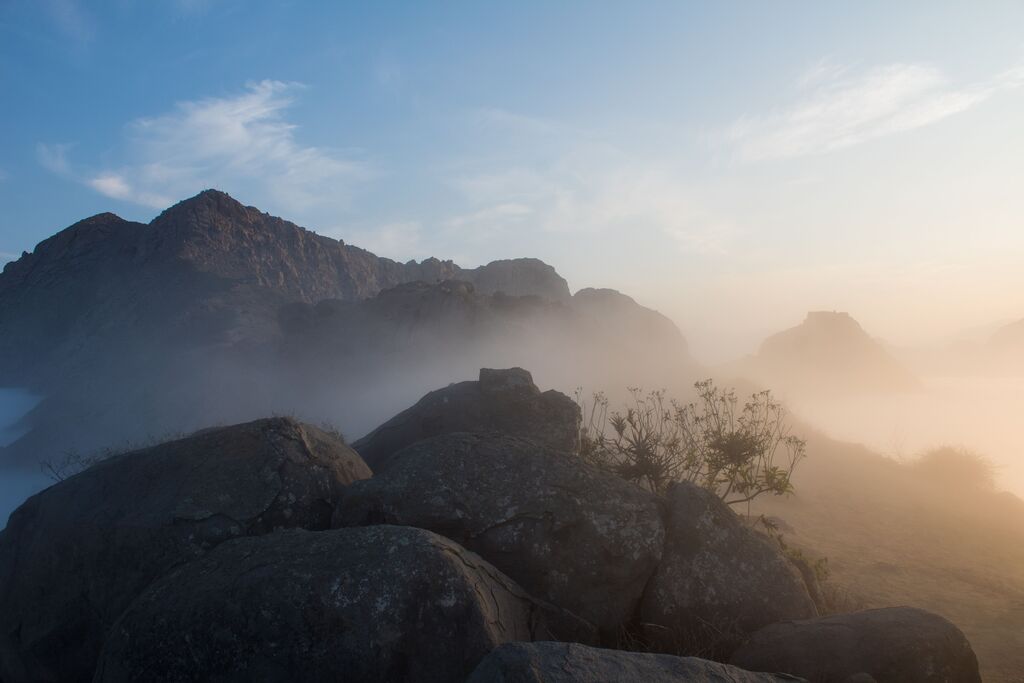
A Mountain Range Full of Life
Despite its global reputation for iron ore, Simandou remains one of Guinea’s richest ecological zones.
Here you find:
Dense rainforest at the base
Cloud forests at higher altitudes
Rare primates including chimpanzees
Forest elephants (historically present)
Unique mountain plants
Hundreds of bird species
Medicinal flora used by local communities
The mountains create micro‑climates that support species found nowhere else in the region.
Simandou is a living ecological corridor connecting Forest Guinea to the highlands of the southeast.
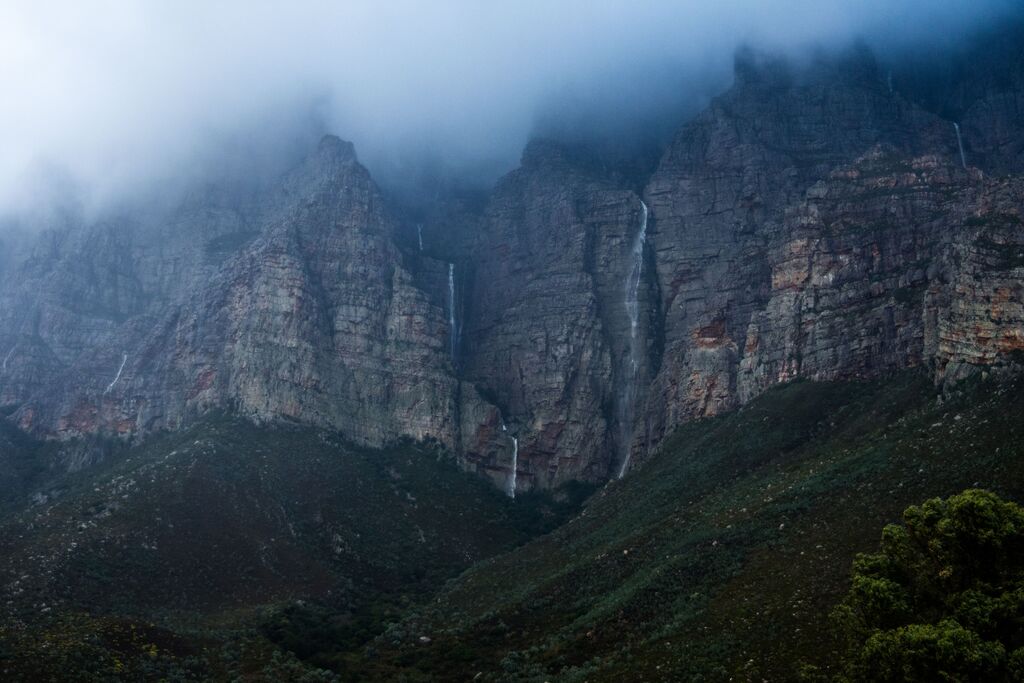
A Landscape of Peaks, Valleys & Mist
The Simandou Range is visually stunning:
Sharp mountain ridges
Deep green valleys
Rocky cliffs
Hidden waterfalls
Misty mornings that wrap the peaks in silver
Forested slopes that glow in the afternoon sun
On clear days, the views stretch endlessly across Forest Guinea. On cloudy days, the mountains feel like floating islands.
This is one of the most photogenic regions in Guinea — perfect for your Natural Wonders page.
A Region of Global Importance
Simandou is known worldwide because of its mineral deposits, but its natural value is just as significant:
It protects rare rainforest ecosystems
It shelters endangered species
It forms a natural barrier and watershed
It connects multiple ecological zones
It supports traditional communities living in harmony with nature
Simandou is a reminder that Guinea’s mountains are not just resources — they are heritage.
Nearby Cities & Towns (Accommodation Planning)
To plan ahead for your future accommodation, here are the key towns around the Simandou Range:
📍 Beyla (Main Gateway)
Closest major town
Hotels, guesthouses, local restaurants
Cultural center of the region
Ideal base for exploring Simandou
Important for future booking links
📍 Kérouané (Northern Access)
Small but strategic town
Guesthouses and local lodges
Good for travelers exploring the northern slopes
Known for traditional Mandingo culture
📍 Macenta (Western Access)
Larger town with more services
Hotels, markets, restaurants
Perfect for travelers combining Simandou + Ziama Massif
Strong cultural identity
📍 N’Zérékoré (Regional Capital)
Largest city in Forest Guinea
Many hotels and restaurants
Airport: N’Zérékoré Airport (NZE)
Ideal for multi‑site travel circuits (Nimba, Ziama, Simandou)
These towns will allow you to build a complete accommodation guide with Booking.com, Airbnb, and local hotel listings.
Why Simandou Matters
Simandou is a symbol of:
Guinea’s mountain heritage
Rare ecological diversity
The beauty of untouched landscapes
Cultural traditions of Forest Guinea
The balance between nature and development
It is one of the most impressive mountain ranges in West Africa — powerful, mysterious, and full of life.
Travel Inspiration
Imagine waking up in Beyla, the morning air cool and quiet. Imagine driving toward mountains that rise like giants from the forest floor. Imagine standing on a rocky ridge, watching mist roll across the peaks like waves of silver. Imagine hearing the distant call of chimpanzees echoing through the valley.
This is the Simandou Range — majestic, wild, and unforgettable.