Fouta Djallon Highlands — The Mountain Kingdom of Waterfalls and Ancient Paths
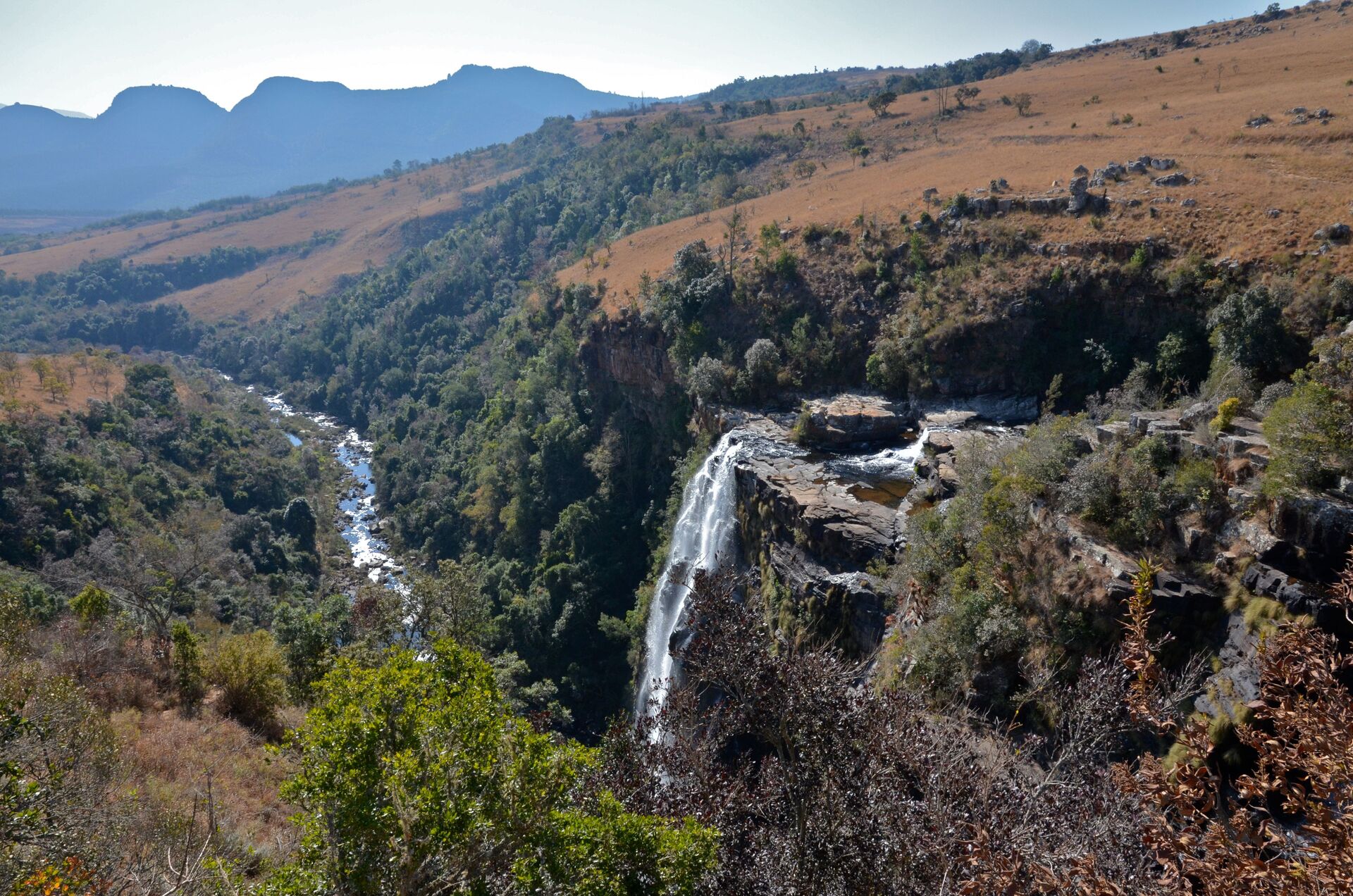
In the center of Guinea, where the land rises into rolling mountains and the air becomes cool and crisp, lies the legendary Fouta Djallon Highlands — a region of breathtaking beauty, deep cultural heritage, and landscapes that feel carved by the hands of time.
This is the birthplace of Guinea’s most famous waterfalls, the source of major West African rivers, and the homeland of the Fula people — known for their hospitality, music, and ancient mountain traditions.
Fouta Djallon is not just a destination. It is a world.
Guinea VibesSearch our Network. Start here.
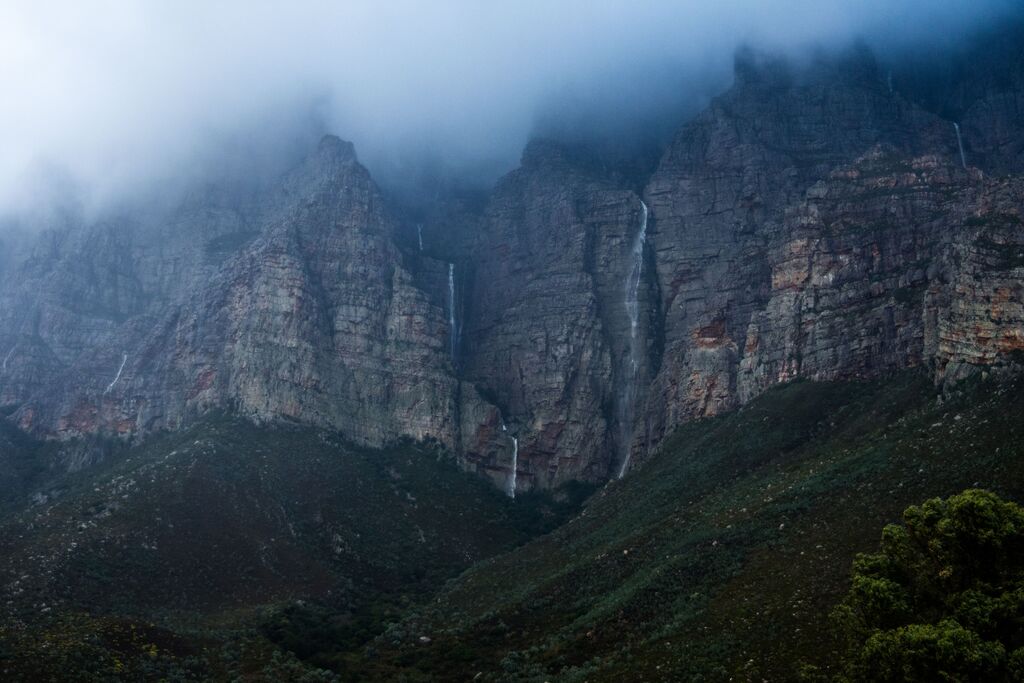
Top Recommended and Guided tour with Viator
A Landscape of Endless Beauty
The highlands stretch across Middle Guinea, forming a dramatic plateau of:
Rolling green mountains
Deep valleys
Natural pools
Hidden caves
Rocky cliffs
Misty mornings
Cool, refreshing climate
It is one of the most scenic regions in West Africa — a paradise for hikers, photographers, and travelers seeking peace.
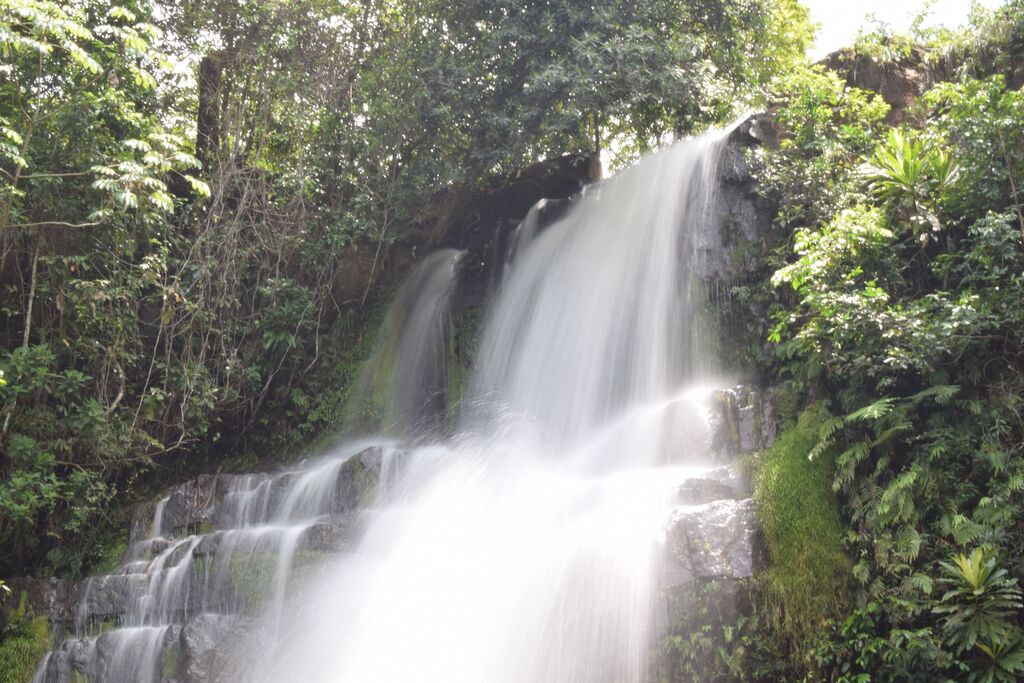
The Kingdom of Waterfalls
Fouta Djallon is famous for its waterfalls — some of the most spectacular in the region:
Kambadaga Falls
Ditinn Waterfall
Voile de la Mariée
Kinkon Falls
Salaa Falls
These waterfalls are not just tourist spots — they are symbols of the region’s identity. Many rivers that feed West Africa begin here, including tributaries of the Niger, Senegal, and Gambia rivers.
This makes Fouta Djallon a hydrological heart of the continent.
Mountains, Cliffs & Sacred Landscapes
The highlands are full of dramatic natural formations:
Mount Tinka
Mount Loura
The “Chutes de la Fouta” canyon systems
Rocky viewpoints overlooking endless valleys
Ancient footpaths used for centuries
The region feels untouched — a place where nature still follows its own rhythm.
A Cultural Homeland
Fouta Djallon is the cultural center of the Fula (Peulh) people.
Here you find:
Traditional music (hoddu, flute, chants)
Mountain villages with stone houses
Sacred sites and ancient mosques
Warm hospitality and tea ceremonies
Colorful markets full of fabrics and crafts
The culture blends perfectly with the landscape — calm, elegant, and deeply rooted.
Nearby Cities & Towns (Accommodation Planning)
To prepare your future accommodation during the visit, here are the key towns around the Fouta Djallon Highlands:
📍 Labé (Capital of Fouta Djallon)
Largest city in the region
Hotels, guesthouses, restaurants
Perfect base for exploring waterfalls
Cultural center with markets and music
Essential for your booking links
📍 Dalaba (The “Switzerland of Guinea”)
Cool climate, mountain views
Colonial-era villas
Beautiful landscapes
Guesthouses and small hotels
Ideal for nature lovers
📍 Pita (Waterfall Gateway)
Closest town to many waterfalls
Local lodges and eco‑friendly stays
Perfect for adventure travelers
Known for its green valleys
📍 Mamou (Transport Hub)
Connects Conakry to the highlands
Hotels and restaurants
Good for travelers arriving by road
These towns will allow you to build a complete accommodation guide with Booking.com, Airbnb, and local hotel listings.
Why Fouta Djallon Matters
Fouta Djallon is a symbol of:
Guinea’s natural beauty
Cultural heritage of the Fula people
The origin of major African rivers
Mountain landscapes unique in West Africa
Peace, cool climate, and breathtaking views
It is one of the most beloved regions in the country — a place where nature and culture live side by side.
Travel Inspiration
Imagine waking up in Labé, the air cool and fresh. Imagine driving through green mountains, stopping at a waterfall where mist rises like smoke. Imagine sitting in a village courtyard, drinking sweet tea while listening to traditional music echoing through the valley.
This is Fouta Djallon — peaceful, powerful, and unforgettable.