The Waterfalls of Guinea The Complete Guide to Guinea's Most Spectacular Waterfalls
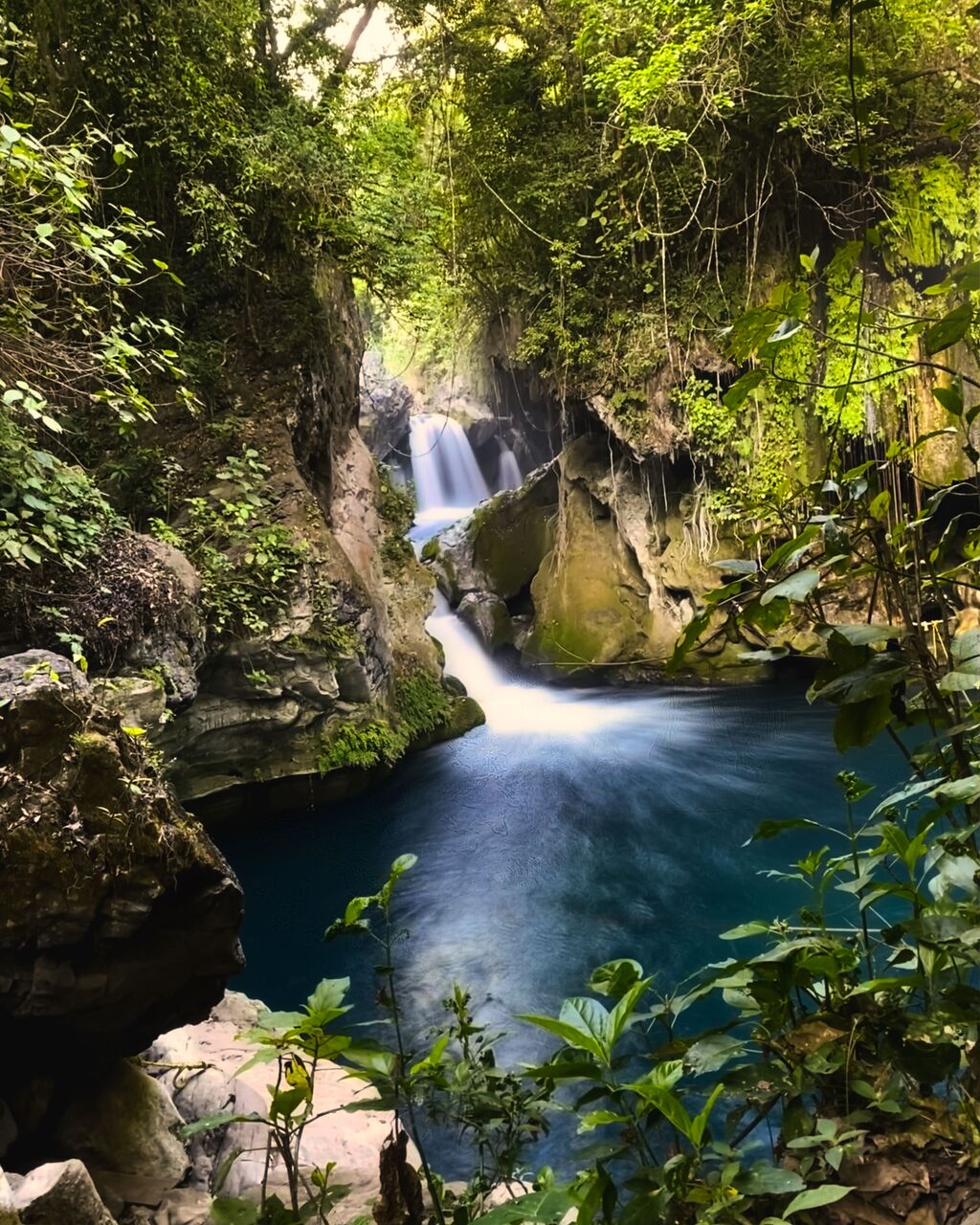
There are few landscapes that capture the spirit of Guinea better than its waterfalls.
Born from ancient mountains, carved through sandstone valleys and fed by some of West Africa's most important rivers, Guinea's waterfalls are among the country's most beautiful natural treasures.
They are places where geography and culture meet. A waterfall is never only water falling over rock. In Guinea, these places are connected with forests, villages, traditions, stories and the rhythms of everyday life.
From the dramatic cascades of Fouta Djallon to the forest landscapes of southeastern Guinea, waterfalls reveal the extraordinary diversity of the country's natural environment.
For generations, local communities have known these places as sources of beauty, importance and sometimes spiritual significance. Today, they are becoming increasingly recognised as destinations for travellers seeking nature, adventure and a deeper connection with Guinea's landscapes.
This guide introduces Guinea's most remarkable waterfalls and the regions where they can be found.
A Country Shaped by Water
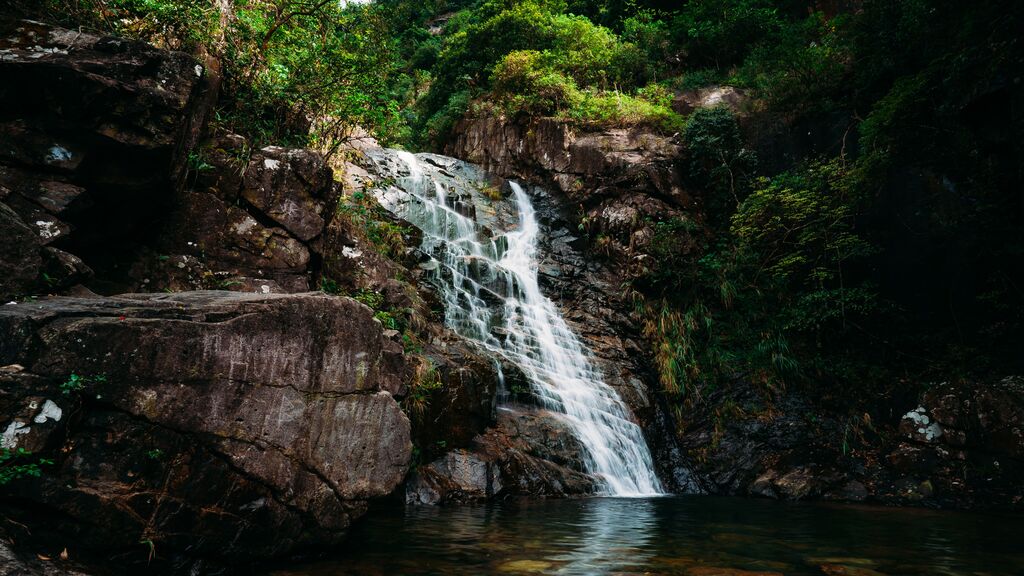
Guinea's waterfalls exist because of the country's unique geography.
The nation is often called the "water tower of West Africa" because several major rivers begin within its borders. The highlands of Guinea collect rainfall and release water that flows across West Africa, supporting millions of people beyond the country's frontiers.
The country's mountains, especially the plateaus of Fouta Djallon, create perfect conditions for waterfalls.
Rainwater gathers in highland streams, flows through valleys and descends over cliffs and rocky formations, creating hundreds of cascades ranging from powerful falls to peaceful forest pools.
The diversity of Guinea's landscapes means that each waterfall has its own character:
- some are surrounded by mountain forests
- some flow through deep valleys
- some create natural swimming pools
- some are hidden among rural communities
- some have become symbols of entire regions
The Waterfalls of Fouta Djallon
Fouta Djallon is the heartland of Guinea's waterfalls.
This mountainous region is famous throughout West Africa for its dramatic scenery, cool climate and spectacular landscapes.
The combination of:
- high plateaus
- sandstone cliffs
- abundant rainfall
- countless streams
has created one of Africa's most impressive waterfall regions.
Many waterfalls are located near the cities of Labé, Dalaba and Mamou, making Fouta Djallon one of Guinea's greatest destinations for nature tourism.
Kinkon Waterfall
One of Guinea's Most Famous Cascades
Located near Labé in the Fouta Djallon highlands, Kinkon Waterfall is among the best-known waterfalls in Guinea.
The falls are created by the Konkouré River, which descends through the mountainous landscape before continuing its journey towards the coast.
The waterfall is particularly impressive during the rainy season, when increased water flow transforms the landscape into a powerful display of nature.
A Landscape of Mountains and Valleys
The journey to Kinkon is part of the experience.
Visitors travel through the beautiful scenery of Fouta Djallon, passing:
- green hills
- traditional villages
- agricultural landscapes
- dramatic valleys
The waterfall itself offers views of Guinea's highland environment and provides a peaceful place to experience the region's natural beauty.
Ditinn Waterfalls
A Hidden Treasure of Fouta Djallon
Among Guinea's most spectacular waterfalls are the Ditinn Falls, located near Dalaba.
The waterfall drops dramatically through a landscape of cliffs, forests and valleys, creating one of the most impressive natural scenes in the country.
The area around Ditinn reflects the beauty that makes Fouta Djallon famous:
- deep valleys
- rocky landscapes
- traditional villages
- panoramic viewpoints
The Journey Matters
One of the special qualities of Ditinn is that reaching the waterfall is part of the adventure.
The route passes through rural Guinea, allowing visitors to experience landscapes that remain closely connected with traditional ways of life.
The waterfall is not simply an attraction at the end of a road—it is part of a wider journey through one of Guinea's most beautiful regions.
The Voile de la Mariée
"The Bride's Veil"
The Voile de la Mariée, or "Bride's Veil," is one of Guinea's most romantic and recognisable waterfalls.
Located near Kindia, this waterfall takes its name from the delicate appearance of water flowing down the rock face like a white veil.
Unlike some of Guinea's more remote waterfalls, Voile de la Mariée is relatively accessible from Conakry, making it a popular destination for visitors exploring the Kindia region.
Nature Near the Capital
The waterfall demonstrates one of Guinea's great advantages as a destination: extraordinary nature can be found surprisingly close to urban areas.
Within a short journey from Conakry, visitors can discover:
- mountains
- forests
- rivers
- waterfalls
This makes Kindia an important gateway for future nature tourism development.
Sala Falls
The Beauty of Guinea's Highlands
Sala Falls is another remarkable waterfall of Fouta Djallon.
Like many waterfalls in Guinea, its character changes with the seasons.
During the rainy period, rivers become powerful and dramatic. During the dry season, calmer waters reveal pools, rocks and surrounding landscapes.
These seasonal changes are part of what makes Guinea's waterfalls unique.
Saala Waterfall
A Symbol of Fouta Djallon
Saala Waterfall, located in the Labé region, is one of the most celebrated natural attractions of the highlands.
The falls descend through a landscape of cliffs and vegetation, surrounded by the distinctive scenery of Fouta Djallon.
For many visitors, Saala represents the essence of Guinea:
- mountains
- water
- forests
- rural landscapes
- cultural connection
Waterfalls of Forest Guinea
While Fouta Djallon is famous for waterfalls, southeastern Guinea also contains spectacular cascades hidden within tropical forests.
Forest Guinea's waterfalls are often surrounded by:
- dense vegetation
- rare wildlife habitats
- mountain landscapes
The combination of forests and water creates some of the country's most dramatic natural environments.
Waterfalls and Local Communities
Guinea's waterfalls are not isolated natural features.
They exist within living landscapes.
Nearby communities have developed relationships with these places over generations. Rivers provide:
- water
- agriculture
- fishing opportunities
- transportation routes
- cultural meaning
Many waterfalls are connected with local stories and traditions that reflect the deep relationship between people and nature.
Future tourism development should therefore respect both the environment and the communities who have protected these places for generations.
The Best Time to Visit Guinea's Waterfalls
The appearance of waterfalls changes greatly throughout the year.
Rainy Season
During the rainy months:
- waterfalls reach their greatest power
- rivers become fuller
- landscapes become intensely green
This is often the most dramatic period for photography.
Dry Season
During the dry season:
- access may become easier
- hiking conditions improve
- natural pools can be more inviting
The ideal time depends on the type of experience visitors are seeking.
Continue ReadingGUINEAPEDIA Tips – Explore Guinea
Exploring Guinea's Waterfalls Responsibly
As Guinea develops its nature tourism sector, responsible travel will become increasingly important.
Visitors can help protect these landscapes by:
- respecting local communities
- avoiding litter
- following local guidance
- protecting forests and wildlife
- supporting local guides
The beauty of Guinea's waterfalls depends on preserving the environments that create them.
A Future Destination for Nature Lovers
Guinea's waterfalls represent one of the country's greatest opportunities.
They combine everything that makes Guinea unique:
- extraordinary landscapes
- powerful rivers
- cultural traditions
- adventure
- biodiversity
Many of these waterfalls remain little known internationally, which means Guinea still offers something increasingly rare: the possibility of discovering natural places before they become crowded destinations.
From the high plateaus of Fouta Djallon to the forests of the southeast, Guinea's waterfalls tell the story of a country shaped by water.
They are not simply places to visit.
They are places to experience.