The Ultimate Guide to Guinea Everything You Need to Know About the Republic of Guinea
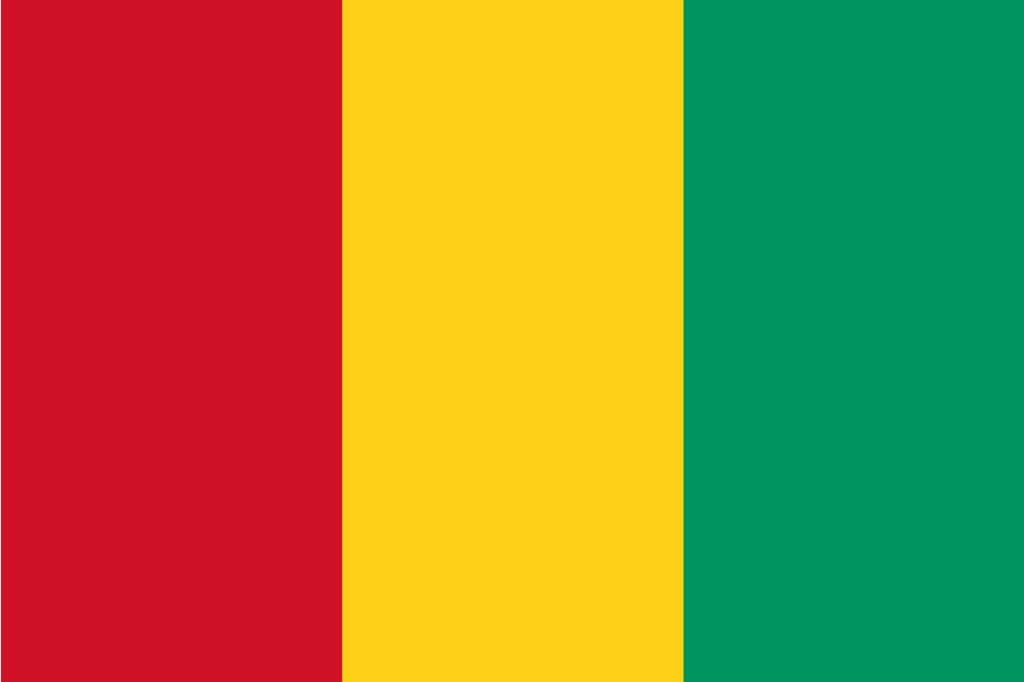
From mist-covered highlands and powerful rivers to Atlantic shores, ancient traditions and vibrant cultures, Guinea is a country of remarkable contrasts. Located in the heart of West Africa, it is a land where dramatic landscapes meet centuries of history, where traditional customs continue alongside modern life, and where some of Africa's most important natural treasures remain waiting to be discovered.
For many people around the world, Guinea remains unfamiliar territory. Its name may be recognised, yet its landscapes, communities, heritage and extraordinary biodiversity are often little known beyond its borders. This makes Guinea one of West Africa's most fascinating countries to explore—not because it lacks importance, but because so much of its story has yet to be widely shared.
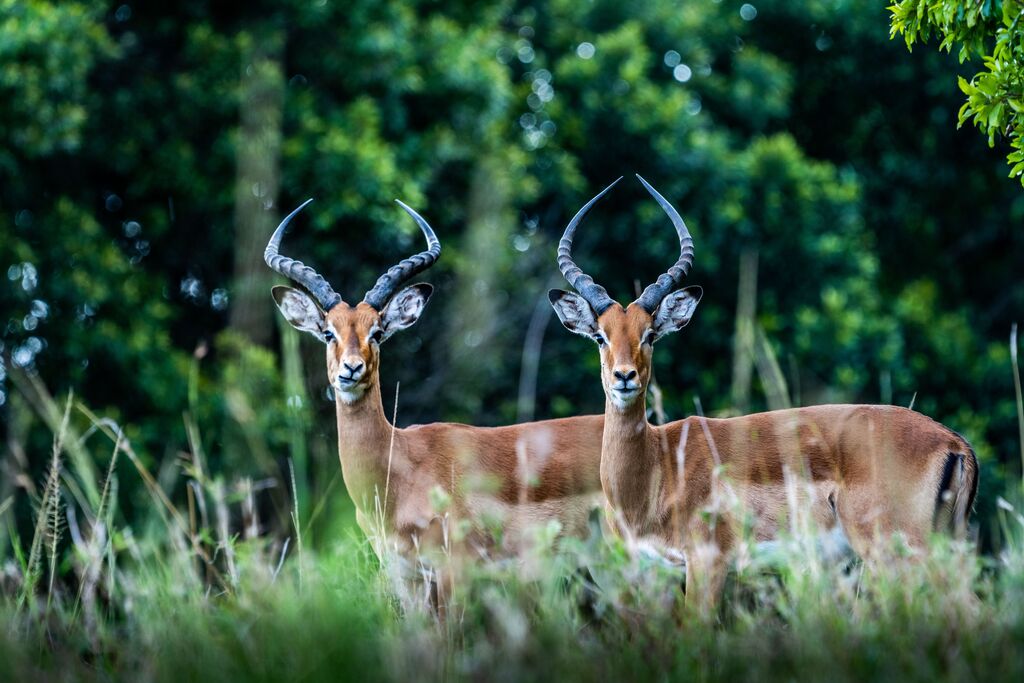
Guinea is the source of some of West Africa's greatest rivers, earning it the title "the water tower of West Africa." Its mountains, forests and wetlands support remarkable ecosystems, including habitats for chimpanzees, rare birds and countless other species. Its cultural landscape has been shaped by powerful kingdoms, Islamic scholarship, trade networks, colonial history and the determination of communities that have preserved their identities across generations.
The country is also a place of extraordinary human diversity. More than a dozen ethnic communities contribute to Guinea's cultural richness, each with its own languages, traditions, music, crafts and historical experiences. From the highlands of Fouta Djallon to the forests of the southeast and the coastal communities of Lower Guinea, every region tells a different part of the national story.
This guide offers an introduction to Guinea: its geography, history, people, culture, nature and places of interest. It is the starting point for discovering a country whose importance reaches far beyond its borders.
Guinea at a Glance
Official name: Republic of Guinea
Capital city: Conakry
Location: West Africa
Atlantic coastline: Approximately 320 kilometres
Independence: 2 October 1958 from France
Currency: Guinean franc (GNF)
Official language: French
Major national languages: Pular (Fulfulde), Maninka, Susu and many others
Population: Approximately 14 million people
Area: Around 245,857 square kilometres
Highest point: Mount Nimba (1,752 metres)
Largest city: Conakry
National motto: Travail, Justice, Solidarité ("Work, Justice, Solidarity")
Guinea shares borders with six countries:
- Senegal to the north
- Guinea-Bissau to the northwest
- Mali to the northeast
- Côte d’Ivoire to the southeast
- Liberia to the south
- Sierra Leone to the southwest
Despite being relatively compact compared with many African nations, Guinea contains an impressive variety of landscapes. Coastal mangroves, rolling savannahs, forest-covered mountains and fertile highlands all exist within its borders.
A Country of Many Landscapes
One of Guinea's greatest characteristics is its geographical diversity. The country is divided naturally into four major regions, each with its own identity.
These regions are more than geographical zones. They represent different climates, ecosystems, cultures and ways of life.
Maritime Guinea (Lower Guinea)
Stretching along the Atlantic Ocean, Maritime Guinea is the country's coastal region and the gateway through which many visitors first encounter the country.
The region is characterised by:
- Coastal plains
- Mangrove ecosystems
- Fishing communities
- Tropical vegetation
- The capital city, Conakry
Conakry, located on the Kaloum Peninsula, is Guinea's political, economic and cultural centre. The city combines modern urban life with traditional markets, historic neighbourhoods, music venues and cultural institutions.
Beyond the capital, the coast offers important natural environments. The mangrove forests provide essential habitats for fish, birds and other wildlife while also supporting local communities whose lives are closely connected to the sea.
Maritime Guinea is also home to important cultural groups, including the Susu people, whose history and traditions have played a major role in the development of coastal Guinea.
Middle Guinea (Fouta Djallon)
Perhaps Guinea's most famous natural region, Fouta Djallon is a spectacular mountainous area of plateaus, valleys, waterfalls and rivers.
Often described as the "water tower of West Africa," these highlands are the birthplace of several major rivers, including:
- The Niger River
- The Senegal River
- The Gambia River
The landscape is one of Guinea's greatest treasures. Deep valleys cut through sandstone plateaus, waterfalls cascade through green forests, and traditional villages are surrounded by fertile agricultural land.
The region has also been a centre of learning and culture for centuries. The history of Fouta Djallon is closely connected with the Fulani (Fula) people and the powerful Islamic state that developed there in the eighteenth century.
Cities such as Labé and Dalaba provide gateways to exploring this remarkable part of Guinea.
Fouta Djallon represents the meeting point of nature, history and culture—a place where landscapes and human traditions have shaped each other over generations.
Continue ReadingGUINEAPEDIA Tips – Explore Guinea
Upper Guinea
Located in the northeast and east of the country, Upper Guinea is a region of savannah landscapes, traditional towns and deep historical connections.
The area has long been associated with the wider history of the Mandé world, including ancient trade routes and powerful West African states.
Kankan, one of Guinea's largest cities, is an important cultural and commercial centre. The region is known for:
- Traditional music
- Agricultural production
- Historical sites
- Mandinka heritage
Upper Guinea's landscapes differ greatly from the mountainous areas of Fouta Djallon, offering wide open plains and a warmer, drier environment.
Forest Guinea
In the southeast lies Forest Guinea, a region of extraordinary biodiversity and dramatic scenery.
This area contains:
- Tropical forests
- Mountain ranges
- Rare wildlife habitats
- Indigenous cultural traditions
The forests around Mount Nimba are internationally recognised for their ecological importance. The region is home to exceptional plant and animal diversity, including species found nowhere else in the world.
Nzérékoré, the largest city in Forest Guinea, serves as an important centre for the region.
Forest Guinea represents one of West Africa's most important conservation areas, where protecting nature also means protecting the traditional knowledge and livelihoods of local communities.