The Regions of Guinea Exploring All Eight Administrative Regions
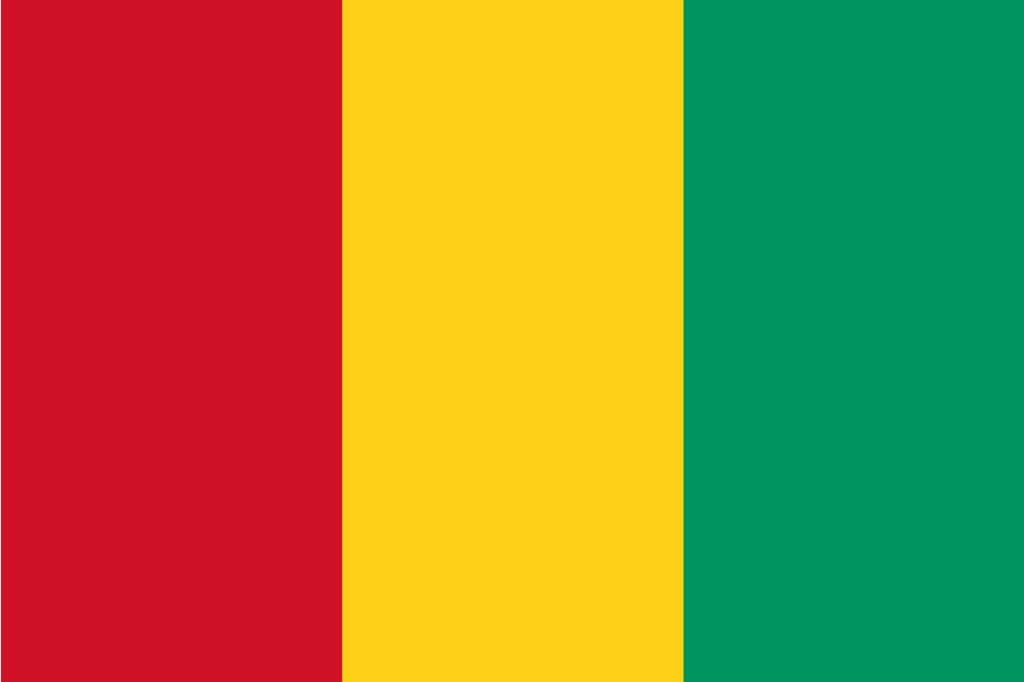
Guinea is a country of remarkable geographical and cultural variety. Although it occupies a relatively compact area on the western edge of Africa, its landscapes change dramatically from one region to another. Atlantic coastline, forest-covered mountains, high plateaus, savannah plains and fertile river valleys all form part of the country's extraordinary diversity.
The regions of Guinea are not simply administrative divisions on a map. Each one has its own character, history, traditions and relationship with the natural environment.
From the busy streets of Conakry to the misty landscapes of Fouta Djallon, from the historic towns of Upper Guinea to the forests of the southeast, every region tells a different chapter of the national story.
Today, Guinea is divided into eight administrative regions, plus the special administrative zone of the capital, Conakry.
The eight regions are:
- Boké Region
- Kindia Region
- Mamou Region
- Labé Region
- Faranah Region
- Kankan Region
- Nzérékoré Region
- * Koubia
(* Note: Guinea's current administrative structure includes eight regions: Boké, Kindia, Mamou, Labé, Faranah, Kankan, Nzérékoré and the autonomous zone of Conakry. Individual prefectures within these regions provide further local identities.)
Together, these regions represent the many faces of Guinea.
Guinea's Four Natural Landscapes
Before exploring the administrative regions, it is important to understand Guinea's four major natural zones.
These geographical areas have shaped settlement patterns, agriculture, culture and economic activity for centuries.
Maritime Guinea (Lower Guinea)
The coastal region stretches along the Atlantic Ocean and includes the capital city of Conakry.
It is characterised by:
- coastal plains
- mangrove forests
- islands
- fishing communities
- tropical vegetation
The region has historically been a meeting point between Guinea's interior and the wider Atlantic world.
Middle Guinea (Fouta Djallon)
The mountainous heart of Guinea, Fouta Djallon, is famous for:
- dramatic plateaus
- waterfalls
- deep valleys
- fertile highlands
- important rivers
This region has played a major role in Guinea's cultural and political history.
Upper Guinea
The northeastern part of the country consists mainly of savannah landscapes and wide plains.
It has strong historical connections with the Mandé world and ancient trade networks.
Forest Guinea
The southeastern region contains some of West Africa's most important remaining forests.
It is known for:
- exceptional biodiversity
- mountains
- rare wildlife
- traditional cultures
Conakry: Guinea's Capital District
Although not one of the eight administrative regions, Conakry deserves special attention.
Built on a narrow peninsula extending into the Atlantic Ocean, Conakry is the political, economic and cultural centre of Guinea.
The city is home to:
- government institutions
- universities
- museums
- markets
- cultural venues
- the country's largest port
Conakry is a city of contrasts. Modern buildings stand alongside historic neighbourhoods, busy streets connect with traditional markets, and contemporary music exists alongside long-established cultural traditions.
Important places include:
- National Museum of Guinea
- Sandervalia Cultural Centre
- Boulbinet fishing harbour
- Îles de Los
Beyond being Guinea's capital, Conakry is the country's main gateway to the world.
1. Boké Region
Located in northwestern Guinea, Boké Region stretches from the Atlantic coast towards the interior.
The region is known for:
- mineral resources
- coastal landscapes
- historical importance
- cultural diversity
Boké itself has played an important role in Guinea's history. The region was historically connected to coastal trade networks and later became one of the country's most important mining areas.
Nature and Landscape
Boké contains a mixture of:
- coastal plains
- mangrove ecosystems
- rivers
- savannah landscapes
The Rio Nunez and surrounding waterways have long supported fishing and agriculture.
Economy
Boké is particularly important for bauxite mining. Guinea possesses some of the world's largest bauxite reserves, and the region has become a major centre of mining activity.
Culture
The region is home to several communities, including Susu, Baga, Landuma and others, each contributing to Guinea's cultural richness.
2. Kindia Region
Often called the gateway to Fouta Djallon, Kindia Region is one of Guinea's most beautiful areas.
Located relatively close to Conakry, it is famous for:
- waterfalls
- mountains
- agricultural landscapes
- natural attractions
Kindia city is sometimes described as the "fruit basket of Guinea" because of its fertile surroundings.
The region produces:
- bananas
- citrus fruits
- mangoes
- pineapples
- other agricultural products
Natural Attractions
Kindia is home to some of Guinea's best-known landscapes, including:
- Mount Gangan
- Voile de la Mariée waterfall
- surrounding valleys and forests
The region is a favourite destination for visitors seeking nature experiences close to the capital.
Cultural Importance
Kindia has a vibrant cultural life, including traditional music, dance and festivals.
Its position between the coast and the highlands has made it a place of exchange between different communities.
3. Labé Region
Located in the heart of Fouta Djallon, Labé Region represents one of Guinea's most distinctive cultural landscapes.
The region is strongly associated with the Fulani (Fula) people and the historical development of Islamic scholarship in Guinea.
Labé City
The regional capital, Labé, is an important commercial and cultural centre.
The city is known for:
- traditional markets
- handicrafts
- religious schools
- regional trade
Landscapes
Labé's natural environment includes:
- high plateaus
- valleys
- rivers
- waterfalls
The region is particularly famous for its scenery and hiking opportunities.
Heritage
The traditions of Fouta Djallon remain deeply visible here through:
- architecture
- clothing
- music
- oral traditions
- community life
4. Mamou Region
Known as the crossroads of Guinea, Mamou occupies a strategic position between different parts of the country.
Historically, travellers moving between the coast, highlands and interior often passed through this region.
Landscape
Mamou is characterised by:
- rolling hills
- forests
- rivers
- agricultural land
Its location within Fouta Djallon gives it many of the natural features associated with Guinea's highlands.
Mamou City
The regional capital is an important transport centre and a gateway to exploring central Guinea.
The city also has strong cultural traditions, particularly in music and agriculture.
5. Faranah Region
Located in eastern Guinea, Faranah Region is part of the Upper Guinea cultural zone.
The region is closely connected with the Niger River and the wider history of the Mandé world.
Nature
Faranah contains:
- savannah landscapes
- rivers
- protected areas
- agricultural zones
History
The region has connections to important figures and events in Guinea's modern history.
It is also associated with traditional music and cultural practices.
Faranah City
Faranah serves as an important regional centre and gateway to eastern Guinea.
6. Kankan Region
Kankan is one of Guinea's most historically important regions.
Located in Upper Guinea, it has long been connected to trade routes and Mandinka culture.
Kankan City
The regional capital is one of Guinea's largest cities.
It is known for:
- Islamic scholarship
- traditional music
- markets
- cultural institutions
Culture
Kankan remains an important centre of Mandinka heritage.
The region's traditions include:
- storytelling
- music
- craftsmanship
- celebrations
GUINEAPEDIA Tips – Explore Guinea
7. Nzérékoré Region
Located in southeastern Guinea, Nzérékoré Region is the heart of Forest Guinea.
It is perhaps the country's richest region in terms of biodiversity.
Natural Heritage
The region contains:
- tropical forests
- mountains
- wildlife habitats
- protected areas
The famous Mount Nimba landscape is internationally recognised for its ecological importance.
Communities
Forest Guinea is home to diverse communities including:
- Guerzé (Kpelle)
- Toma
- Kissi
- Mano
- and others
Their traditions, languages and relationship with the forest form an important part of Guinea's cultural heritage.
Nzérékoré City
The regional capital is a lively commercial centre connecting Guinea with neighbouring Liberia and Côte d'Ivoire.
8. Kouroussa and the Eastern Heritage Zone
(Editorial note: this section will later be expanded into the dedicated Upper Guinea articles and prefecture pages.)
The eastern part of Guinea contains some of the country's deepest historical connections.
The wider Upper Guinea region preserves memories of:
- ancient trade routes
- Mandé kingdoms
- traditional leadership systems
- cultural exchanges
Its towns and villages represent an important link between Guinea's past and present.
The Regions of Guinea: Eight Different Stories, One Country
Guinea's regions demonstrate the extraordinary diversity contained within one nation.
The Atlantic coast, the Fouta Djallon highlands, the savannah plains and the forest mountains are not separate worlds—they are interconnected parts of Guinea's identity.
Each region contributes something essential:
- Boké brings coastal heritage and mineral wealth.
- Kindia brings waterfalls, agriculture and natural beauty.
- Labé preserves the traditions of Fouta Djallon.
- Mamou connects the country's landscapes and communities.
- Faranah carries the heritage of eastern Guinea.
- Kankan represents the depth of Mandinka history.
- Nzérékoré protects some of West Africa's most valuable forests.
- Conakry connects Guinea with the wider world.
Together, they form the Republic of Guinea: a country whose diversity is one of its greatest strengths.