🎭 The Peoples of Guinea Ethnic Groups, Languages and Cultural Traditions
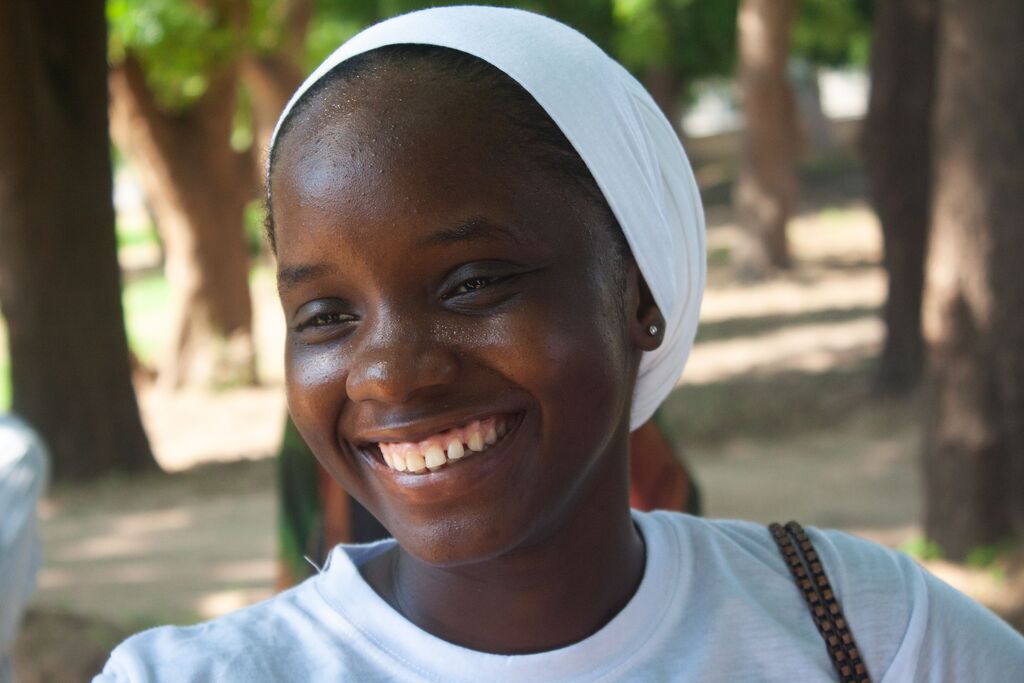
Guinea is a country of remarkable cultural diversity.
Across its mountains, forests, savannahs and coastline live communities whose histories stretch back centuries. Each has contributed to the identity of the modern Republic of Guinea through language, music, craftsmanship, traditions, beliefs and ways of life.
The people of Guinea are united by a shared national identity, yet the country is enriched by the many cultures that exist within it.
From the Fulani communities of Fouta Djallon to the Malinké heritage of Upper Guinea, from the Susu traditions of the coast to the forest cultures of the southeast, Guinea is a meeting place of different histories and experiences.
Understanding Guinea means understanding its people.
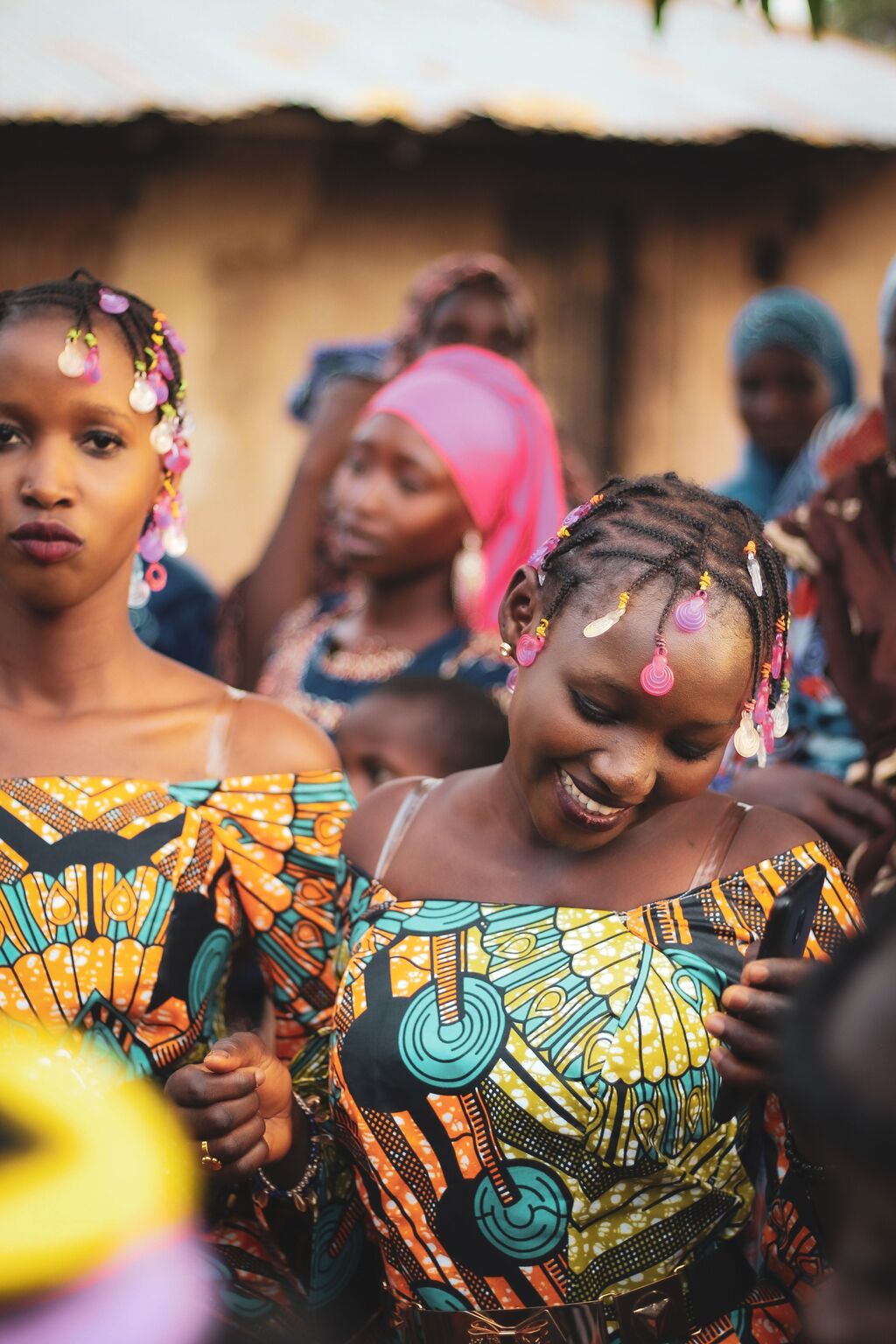
A Nation of Many Cultures
Guinea's population is made up of many ethnic communities.
The largest groups include:
- Fulani (Peul or Fula)
- Malinké (Mandinka)
- Susu (Soussou)
- Kissi
- Toma
- Guerzé (Kpelle)
- Baga
- and many other communities
These groups are not isolated from one another. For centuries, migration, trade, marriage, education and shared history have created connections between them.
Guinea's cultural identity is therefore not a collection of separate traditions—it is a living mosaic.
The Fulani (Peul / Fula)
The People of Fouta Djallon
The Fulani are one of the largest ethnic groups in Guinea and have played a central role in the history of the country.
They are particularly associated with the mountainous region of Fouta Djallon, where they established the powerful Islamic state known as the Imamate of Fouta Djallon in the eighteenth century.
Culture and Traditions
Traditionally, Fulani communities have been closely connected with:
- cattle herding
- agriculture
- Islamic scholarship
- trade
The relationship between people, animals and land has long been central to Fulani identity.
Cattle are not only economic assets but also cultural symbols connected with status, family and tradition.
Language
The Fulani language, known as Pular or Fulfulde, is one of Guinea's most widely spoken languages.
In Fouta Djallon, Pular is a major language of daily communication, education, music and cultural expression.
Heritage of Learning
Fouta Djallon became famous as a centre of Islamic education.
For centuries, scholars travelled through the region, creating traditions of learning that remain important today.
The Malinké (Mandinka)
Guardians of the Mandé Heritage
The Malinké people are deeply connected with the wider Mandé world and the history of the great West African empires, especially the Mali Empire.
Their traditions preserve memories of ancient kingdoms, trade routes and cultural achievements.
Language and Identity
The Malinké language belongs to the Mandé language family and remains an important language in Upper Guinea.
It is used in:
- everyday communication
- storytelling
- music
- traditional ceremonies
The Griot Tradition
Among the most important cultural traditions associated with Mandé societies is the griot tradition.
Griots are:
- historians
- musicians
- storytellers
- guardians of genealogy
Through songs and oral histories, they preserve knowledge passed down over many generations.
Music and Instruments
Malinké musical traditions have contributed greatly to Guinea's reputation as one of Africa's great musical nations.
Important instruments include:
- kora
- balafon
- drums
These traditions continue to influence modern Guinean music.
The Susu (Soussou)
The Coastal People of Guinea
The Susu are one of the most important communities of Maritime Guinea.
Their history is closely connected with the coastal regions around Conakry, Kindia and the surrounding areas.
Coastal Heritage
Living near the Atlantic Ocean, Susu communities developed traditions connected with:
- fishing
- agriculture
- trade
- coastal exchange
Their location made them important participants in centuries of contact between inland and coastal worlds.
Language
Susu is one of Guinea's major national languages and is widely spoken, particularly in Lower Guinea.
It plays an important role in music, communication and cultural life.
The Kissi People
Guardians of Forest Traditions
The Kissi people live mainly in Forest Guinea and neighbouring regions.
Their culture developed within a landscape of forests, rivers and fertile agricultural land.
Agriculture and Community Life
Traditional Kissi life has been closely connected with:
- farming
- craftsmanship
- local trade
Rice cultivation has historically been especially important.
Artistic Heritage
The Kissi are known for artistic traditions including:
- sculpture
- ironworking
- ceremonial objects
Their craftsmanship represents an important part of Guinea's cultural heritage.
The Toma People
The Forest Communities of Guinea
The Toma people are associated particularly with Forest Guinea.
Their traditions reflect a close relationship with the forest environment.
Cultural Traditions
Important elements of Toma heritage include:
- masks
- ceremonies
- initiation traditions
- craftsmanship
Their artistic traditions are among the most distinctive in Guinea.
The Guerzé (Kpelle)
A Culture of Forest Guinea
The Guerzé, also known as Kpelle, are one of the major communities of southeastern Guinea.
Their homeland is located within one of West Africa's richest ecological regions.
Community and Tradition
Traditional Guerzé culture includes:
- farming traditions
- music
- dance
- storytelling
- craftsmanship
Their relationship with the forest is central to their history and identity.
The Baga People
Coastal Art and Heritage
The Baga people are among Guinea's most internationally recognised cultural groups because of their remarkable artistic traditions.
They live mainly along the coastal areas of Lower Guinea.
Sculpture and Masks
Baga artistic traditions are famous for:
- monumental sculptures
- ceremonial masks
- carved objects
Their works have attracted international attention and are represented in museums around the world.
Cultural Importance
Baga traditions demonstrate the creativity and spiritual depth of Guinea's coastal communities.
Their art is not simply decoration—it carries meanings connected with society, history and belief.
Languages of Guinea
Guinea is a multilingual country.
French is the official language and is used in:
- government
- education
- administration
However, many Guineans communicate daily in national languages.
Important languages include:
- Pular
- Maninka
- Susu
- Kissi
- Guerzé
- Toma
- Baga languages
- many others
This linguistic diversity reflects Guinea's complex history.
Languages preserve:
- traditional knowledge
- oral literature
- songs
- family histories
Music, Dance and Cultural Expression
Guinea's people have created one of West Africa's richest musical traditions.
Music accompanies:
- celebrations
- ceremonies
- storytelling
- community events
Traditional instruments such as the kora, balafon and drums remain central to cultural expression.
Modern Guinean musicians have carried these traditions onto international stages, making Guinea one of Africa's most respected musical countries.
Clothing and Traditional Arts
Traditional clothing in Guinea reflects identity, occasion and heritage.
Beautiful fabrics, embroidery and designs are used for:
- celebrations
- religious events
- weddings
- cultural ceremonies
Craftsmanship remains an important part of everyday life.
Artists and craftspeople continue traditions of:
- weaving
- carving
- metalwork
- pottery
GUINEAPEDIA Tips – Explore Guinea
Festivals and Community Celebrations
Festivals provide opportunities for communities to celebrate their heritage.
They bring together:
- music
- dance
- traditional clothing
- food
- storytelling
These celebrations demonstrate that culture in Guinea is not something preserved only in museums.
It is alive.
The Living Heritage of Guinea
The peoples of Guinea represent centuries of history, adaptation and creativity.
Each community carries unique traditions, but together they form a shared national identity.
The strength of Guinea lies not only in its mountains, rivers, forests and resources.
It lies in its people.
Their languages, songs, stories, crafts and traditions are the living heritage of a country whose cultural richness deserves to be better known around the world.