Museums of Guinea The Complete Guide to Guinea's Museums, Cultural Centres and Heritage Collections
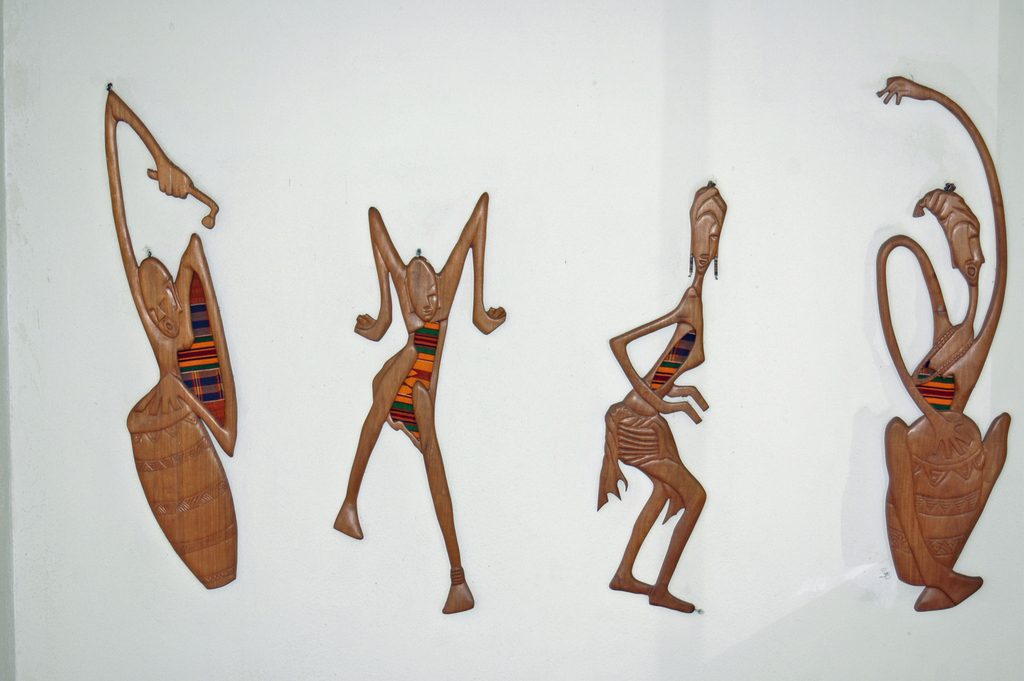
A country's museums are more than buildings filled with objects.
They are places where memories are preserved.
They protect the voices of previous generations, tell stories that might otherwise disappear, and help visitors understand how a nation has been shaped by its people, landscapes and historical experiences.
In Guinea, museums and cultural institutions preserve a remarkable heritage: ancient traditions, artistic achievements, political history, religious scholarship, craftsmanship and the many cultures that together form the identity of the Republic of Guinea.
Although Guinea's museum landscape is still developing, its cultural wealth is extraordinary. The country possesses traditions stretching back centuries, archaeological discoveries, historic sites, traditional arts and a living cultural heritage that continues to evolve.
From the capital city of Conakry to regional centres across the country, Guinea's museums offer a window into a nation whose history is far richer than many people realise.
This guide introduces Guinea's museums, cultural centres and heritage collections, while also exploring the wider importance of preserving the country's cultural memory.
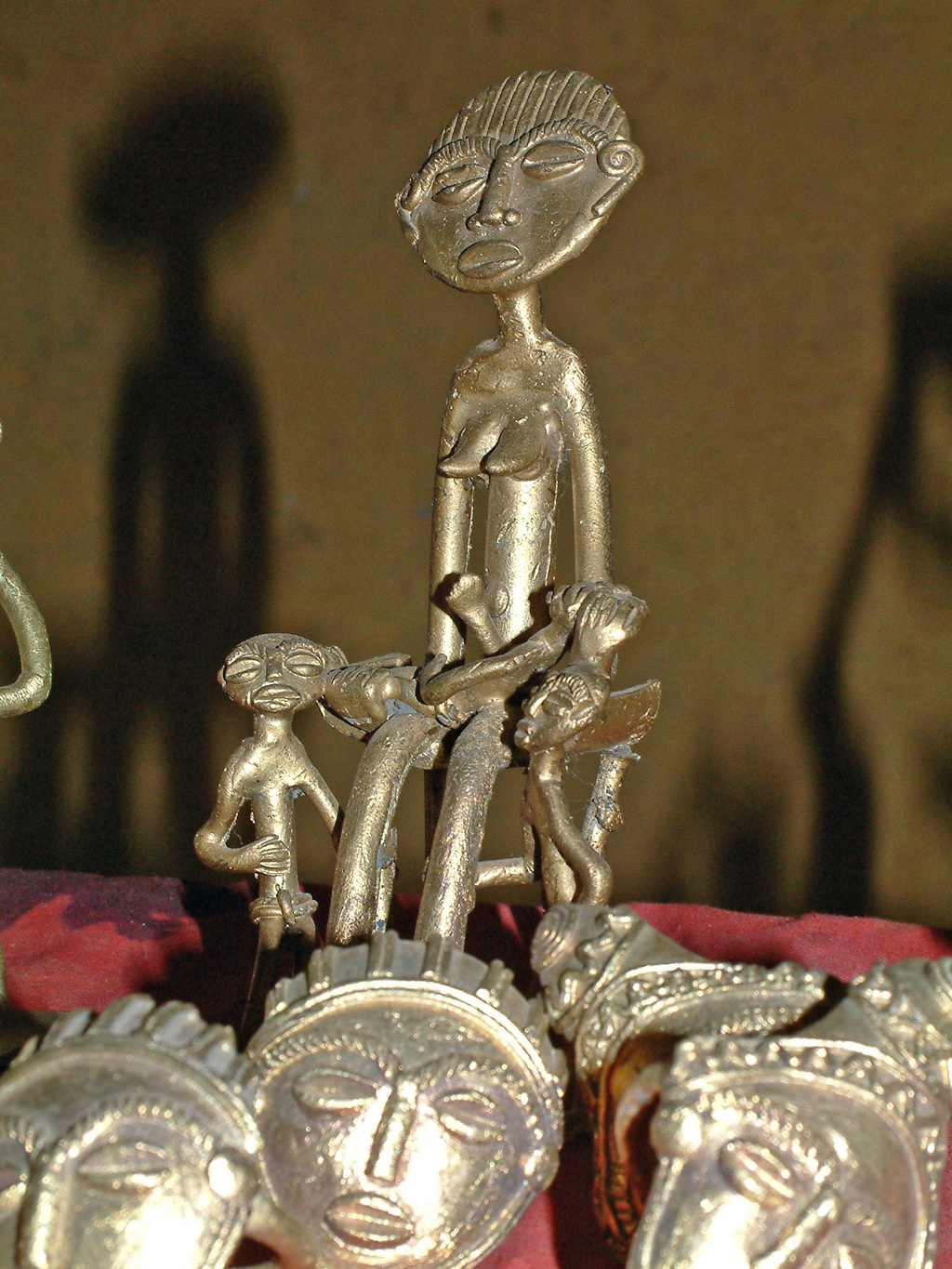
(c) Remo Kurka
The Importance of Museums in Guinea
Guinea is a country where much of history has traditionally been preserved through oral traditions.
For centuries, knowledge was carried through:
- storytellers and griots
- elders and community leaders
- songs and ceremonies
- traditional craftsmanship
- family histories
Museums add another important dimension: they preserve physical evidence of the past.
Objects such as:
- masks
- textiles
- musical instruments
- archaeological discoveries
- traditional tools
- artworks
- historical documents
provide tangible connections between past and present.
A museum does not simply display objects. It creates a conversation between generations.
The National Museum of Guinea
The Country's Principal Cultural Institution
Located in Conakry, the National Museum of Guinea is the country's most important museum institution.
Founded shortly after independence, the museum was created to collect, preserve and present Guinea's cultural heritage.
For visitors wishing to understand Guinea's history and traditions, it represents an essential starting point.
Collections and Exhibitions
The museum's collections reflect the diversity of Guinea's communities and cultural traditions.
Important areas include:
- traditional masks
- sculptures
- musical instruments
- textiles
- ceremonial objects
- archaeological materials
- historical artefacts
The collections represent many of Guinea's cultural groups, including:
- Susu
- Malinké
- Fulani
- Baga
- Kissi
- Toma
- and others
Together, these objects demonstrate the creativity, craftsmanship and social traditions that have developed across Guinea over centuries.
A Cultural Introduction to Guinea
For international visitors, the National Museum provides an opportunity to discover Guinea beyond its landscapes.
Before travelling to regions such as Fouta Djallon, Upper Guinea or Forest Guinea, a visit to the museum helps provide context.
A mask is no longer simply an artistic object.
A musical instrument becomes connected to ceremonies and traditions.
A textile becomes part of a story about identity and craftsmanship.
The museum helps visitors see Guinea through the eyes of its own people.
Sandervalia Cultural Centre
A Meeting Place for Culture and Creativity
The Sandervalia Cultural Centre in Conakry is an important institution dedicated to promoting Guinean culture.
Unlike a traditional museum focused only on historical collections, cultural centres often serve as living spaces where heritage and contemporary creativity meet.
Activities may include:
- exhibitions
- performances
- cultural events
- artistic programmes
- educational activities
Such institutions are essential because culture is not something frozen in the past.
Guinea's heritage continues to evolve through new generations of artists, musicians and creators.
Regional Museums and Cultural Institutions
Beyond Conakry, Guinea's regions possess their own histories, traditions and cultural identities.
Regional museums and cultural centres have an important role in preserving local heritage.
Each region tells a different story:
- Maritime Guinea reflects coastal traditions and Atlantic connections.
- Fouta Djallon preserves the heritage of the highlands and Islamic scholarship.
- Upper Guinea carries the legacy of Mandé history and traditions.
- Forest Guinea protects the cultures of the southeast and its relationship with the natural environment.
Future development of regional museums could play a major role in encouraging cultural tourism throughout the country.
The Heritage of Fouta Djallon
A Landscape of History and Scholarship
The highlands of Fouta Djallon are not only famous for waterfalls and mountains.
They are also one of Guinea's most important cultural regions.
The area has a long history of:
- Islamic learning
- traditional architecture
- oral literature
- craftsmanship
- religious scholarship
Historic towns and villages preserve memories of the political and intellectual traditions that developed in the region.
Museums and heritage centres dedicated to Fouta Djallon could provide deeper understanding of this remarkable history.
Traditional Arts and Craftsmanship
One of Guinea's greatest cultural treasures is its craftsmanship.
Traditional artistic skills have been passed from generation to generation.
Important forms include:
Mask Making
Masks play an important role in many Guinean traditions.
They may be connected with:
- ceremonies
- initiation practices
- community celebrations
- spiritual traditions
Different communities have developed distinctive artistic styles.
Textiles and Weaving
Guinea has a rich tradition of textile production.
Traditional weaving, clothing and decorative fabrics reflect:
- identity
- social status
- artistic expression
Textiles are not only practical objects—they are cultural symbols.
Wood Carving
Wood carving remains an important artistic tradition.
Craftspeople create:
- sculptures
- ceremonial objects
- household items
- decorative works
These objects often combine artistic beauty with cultural meaning.
Music as Living Heritage
Although music is not usually displayed behind glass, it is one of Guinea's greatest cultural treasures.
Guinea has played an influential role in African music history.
Traditional instruments include:
- kora
- balafon
- drums
- other regional instruments
Music preserves history, celebrates important events and connects communities.
The famous musical traditions of Guinea demonstrate that heritage is not only found in museums—it is also heard in performances, festivals and everyday life.
Historic Sites and Heritage Beyond Museums
Guinea's cultural heritage extends far beyond formal institutions.
Important heritage locations include:
- historic towns
- traditional villages
- religious sites
- monuments
- archaeological locations
- landscapes connected with important events
Some of Guinea's greatest heritage treasures are places where history happened.
A village square, an old trading route or a sacred landscape may contain stories just as valuable as objects displayed in a museum.
The Challenge of Preserving Guinea's Heritage
Like many countries, Guinea faces challenges in protecting cultural heritage.
These include:
- limited resources
- preservation needs
- documentation gaps
- changing lifestyles
- illegal trafficking of cultural objects
Preserving heritage requires cooperation between:
- museums
- communities
- researchers
- government institutions
- international partners
Traditional knowledge holders are especially important because much heritage exists within communities rather than official collections.
Continue ReadingGUINEAPEDIA Tips – Explore Guinea
The Future of Museums in Guinea
Guinea has enormous potential to develop its museum and heritage sector.
Future opportunities include:
- modern exhibitions
- regional cultural centres
- digital archives
- heritage tourism
- educational programmes
- international partnerships
A stronger museum network would benefit both Guineans and visitors by making the country's history more accessible.
Museums can become places where young people discover their heritage and where international visitors gain a deeper understanding of Guinea.
Discovering Guinea Through Its Museums
To visit a museum in Guinea is to begin a conversation with the past.
Behind every object is a story.
A mask tells of ceremony.
A musical instrument tells of memory.
A textile tells of craftsmanship.
A historical document tells of change.
Together, Guinea's museums and cultural institutions reveal the richness of a nation shaped by many peoples, traditions and historical experiences.
The preservation of this heritage ensures that Guinea's stories continue—not only for today's generation, but for all those who will discover the country in the future.