Guinea's National Parks & Protected Areas The Complete Guide to Guinea's Natural Treasures
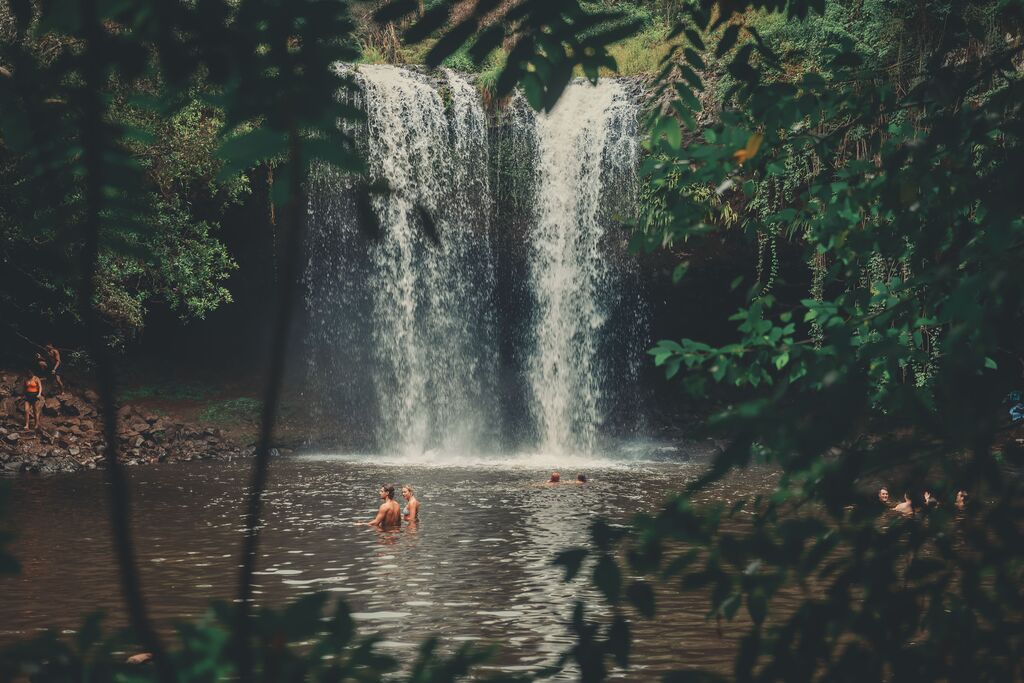
Guinea is a country shaped by nature. From the misty plateaus of Fouta Djallon to the ancient forests of the southeast, from Atlantic mangroves to wide savannah landscapes, the country contains an extraordinary variety of ecosystems within its borders.
Although Guinea is often recognised for its mineral resources, its greatest treasures are not only found beneath the ground. They are also found in its forests, rivers, mountains and wetlands—places that support remarkable wildlife and sustain communities whose lives have been connected to these landscapes for generations.
Guinea is part of one of the world's most important biodiversity regions: West Africa's Upper Guinean forests. These forests are among the most biologically rich ecosystems on the continent, yet they are also among the most threatened.
Protecting Guinea's natural areas is therefore about much more than preserving beautiful scenery. It is about safeguarding unique species, traditional knowledge, water resources, and the ecological balance of an entire region.
Across the country, national parks, nature reserves, classified forests and protected landscapes represent Guinea's commitment to conserving its natural heritage.
This guide introduces Guinea's most important protected areas and the remarkable environments they protect.
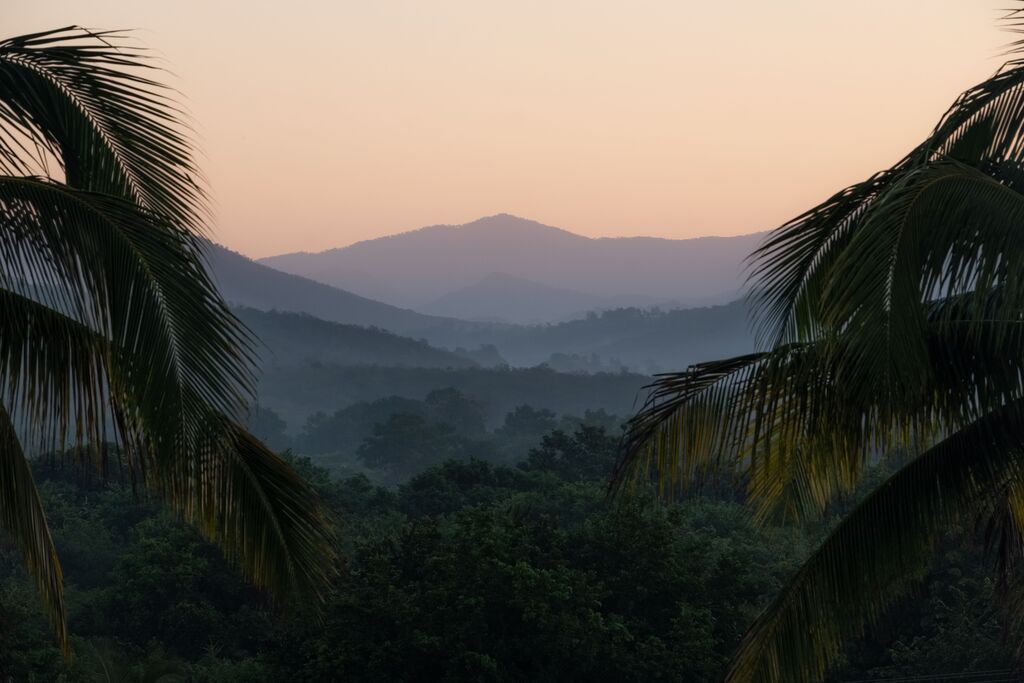
Guinea's Natural Diversity
Before exploring individual protected areas, it is important to understand why Guinea is so biologically important.
The country contains several major ecological zones.
Coastal Ecosystems
Along the Atlantic coast, Guinea's mangrove forests form one of the most important wetland environments in West Africa.
These coastal ecosystems provide:
- breeding grounds for fish
- habitats for birds
- protection against coastal erosion
- resources for local communities
The mangroves are closely connected with traditional fishing communities that have developed sustainable relationships with these environments over centuries.
The Highlands of Fouta Djallon
The mountains and plateaus of Fouta Djallon are among Guinea's most spectacular landscapes.
This region is famous for:
- waterfalls
- forests
- rivers
- valleys
- unique plant species
The highlands are also critically important because many major West African rivers begin here.
The protection of Fouta Djallon is therefore important far beyond Guinea's borders.
The Upper Guinean Forests
In southeastern Guinea lies one of West Africa's most important remaining rainforest regions.
The Upper Guinean forests once stretched across a vast area covering parts of several modern countries. Today, only fragments remain.
These forests shelter:
- chimpanzees
- forest elephants
- monkeys
- rare birds
- countless plant species
Guinea's protected areas play a vital role in conserving this extraordinary ecosystem.
Mount Nimba Strict Nature Reserve
A World-Renowned Natural Heritage Site
Among Guinea's most famous protected areas is the Mount Nimba Strict Nature Reserve.
Located in southeastern Guinea near the borders with Liberia and Côte d'Ivoire, Mount Nimba is one of West Africa's most remarkable natural landmarks.
The reserve was established to protect the unique ecosystems surrounding the mountain.
Mount Nimba rises dramatically above the surrounding landscape, reaching an elevation of approximately 1,752 metres, making it the highest point in Guinea.
Its importance comes not only from its beauty, but from its exceptional biodiversity.
A Mountain of Extraordinary Life
Mount Nimba contains a remarkable variety of habitats, including:
- montane grasslands
- forests
- streams
- rocky slopes
Because of its isolation and ecological diversity, the mountain supports species that are rare or found nowhere else.
Wildlife associated with the area includes:
- chimpanzees
- duikers
- monkeys
- forest birds
- amphibians
One of the most famous species associated with Mount Nimba is the Nimba viviparous toad, a unique amphibian known for giving birth to live young rather than laying eggs.
International Recognition
Mount Nimba has been recognised internationally for its outstanding natural value.
Its protection represents Guinea's role in preserving one of Africa's most important biodiversity areas.
The reserve is also an example of the challenges facing conservation today, where protecting nature must be balanced with economic development and the responsible management of natural resources.
Haut Niger National Park
Protecting Guinea's Savannah Heritage
Located in eastern Guinea, Haut Niger National Park protects an important savannah ecosystem along the Niger River.
Established in 1997, the park covers a large area of woodland and savannah habitats.
Its landscapes include:
- open grasslands
- forests
- rivers
- wetlands
The park is one of Guinea's most important protected areas for wildlife conservation.
Wildlife of Haut Niger
The park provides habitat for a variety of species, including:
- chimpanzees
- hippos
- antelopes
- monkeys
- birds
- reptiles
The Niger River and surrounding wetlands are particularly important for aquatic species and migratory birds.
Conservation Importance
Haut Niger represents an important effort to protect Guinea's inland ecosystems.
The park also highlights the relationship between conservation and local communities, as many people living around protected areas depend on agriculture, fishing and natural resources.
Successful conservation requires cooperation between protected area managers and the communities who have lived alongside these landscapes for generations.
Ziama Biosphere Reserve
The Forest Heart of Southeastern Guinea
Located in Forest Guinea, Ziama Biosphere Reserve is one of the country's most important rainforest areas.
The reserve protects a large section of tropical forest and represents one of the remaining strongholds of the Upper Guinean forest ecosystem.
A Haven of Biodiversity
Ziama is home to extraordinary wildlife, including:
- chimpanzees
- forest elephants
- buffalo
- monkeys
- rare bird species
The forests also contain enormous plant diversity, including species important for traditional medicine and local livelihoods.
People and Forests
The communities surrounding Ziama have developed deep knowledge of the forest environment.
Traditional knowledge includes:
- medicinal plants
- agricultural practices
- forest management
- cultural relationships with nature
Conservation efforts increasingly recognise that protecting forests also means respecting the people whose lives are connected to them.
Badiar National Park
Guinea's Northern Landscapes
Located in northwestern Guinea near the Senegal border, Badiar National Park protects savannah habitats and wildlife corridors.
The park forms part of a larger ecological region shared with neighbouring countries.
Its landscapes include:
- grasslands
- woodland savannah
- seasonal wetlands
Badiar is important for protecting species adapted to Guinea's northern environments.
Classified Forests and Other Protected Landscapes
Beyond national parks and major reserves, Guinea contains many classified forests and protected areas.
These landscapes contribute to:
- biodiversity conservation
- watershed protection
- climate resilience
- sustainable resource management
Important forest areas include regions around:
- Fouta Djallon
- Mount Nimba
- Forest Guinea
Many of these areas remain relatively unknown internationally, creating opportunities for future research, responsible tourism and conservation partnerships.
Guinea's Wildlife Heritage
Protected areas are essential because Guinea supports a remarkable range of wildlife.
Among the country's most important species are:
Western Chimpanzees
Guinea is one of the countries where western chimpanzees still survive.
These intelligent primates are closely related to humans and are considered an important conservation priority.
Hippopotamuses
Rivers and wetlands provide habitat for hippos, particularly in protected areas such as Haut Niger.
Forest Species
Guinea's forests support:
- monkeys
- forest antelopes
- rare birds
- reptiles
- amphibians
Many species remain poorly studied, meaning future research may reveal even more about Guinea's natural heritage.
Continue Reading
GUINEAPEDIA Tips – Explore Guinea
The Future of Conservation in Guinea
Protecting Guinea's natural areas is a major challenge.
Like many countries, Guinea faces pressures including:
- habitat loss
- illegal hunting
- climate change
- agricultural expansion
- mining pressures
However, Guinea also has enormous opportunities.
Responsible ecotourism, scientific research and community-based conservation can help ensure that natural landscapes remain protected while creating benefits for local populations.
The country's forests, mountains and rivers are not simply resources—they are part of Guinea's identity and a legacy for future generations.
Guinea's Protected Areas: A Natural Heritage Worth Discovering
From the towering slopes of Mount Nimba to the forests of Ziama and the rivers of Haut Niger, Guinea's protected areas reveal a country of exceptional natural wealth.
These places tell a story of survival: of ancient forests, rare species, powerful rivers and communities whose lives have always been connected with nature.
For travellers, researchers and conservationists, Guinea offers something increasingly rare—a chance to explore landscapes where discovery, knowledge and protection can exist together.
The preservation of these natural treasures is not only important for Guinea.
It is important for the future of West Africa's natural heritage.