Shared History of Slave Trade — A Journey Through A Real Dark History
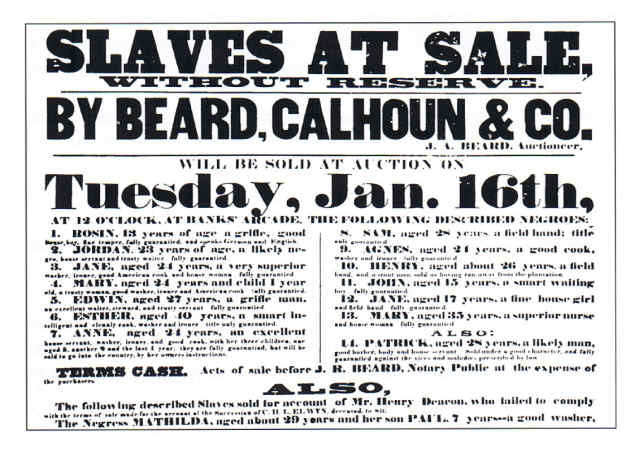
A Guinea Heritage Journeys Original
Historical facts support a core point: the Transatlantic Slave Trade was not a one-sided European imposition but relied heavily on African suppliers, and slavery was a widespread human institution long before and after European involvement.
This journey is not about finger pointing and ruins. It is about remembrance.
Guinea VibesSearch our Network. Start here.

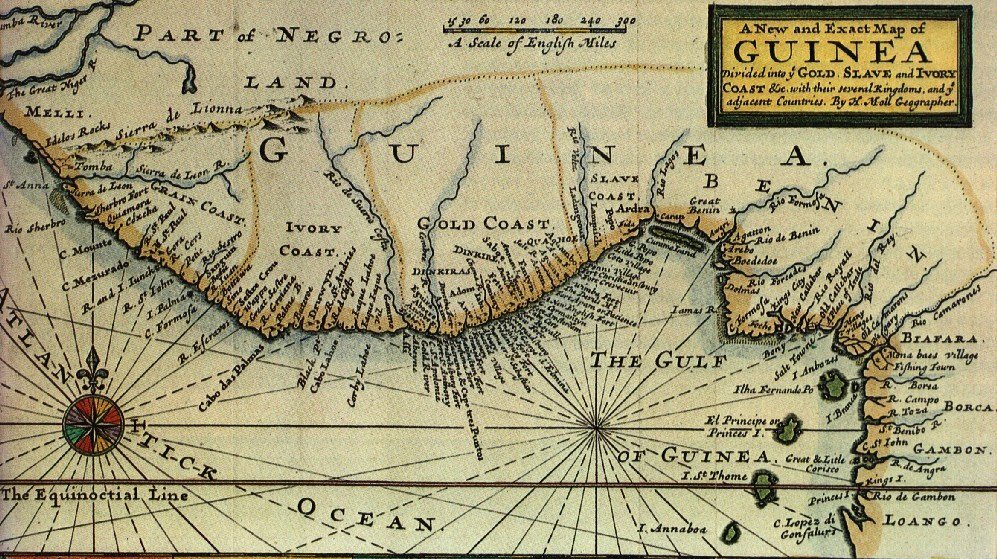
African Role in the Transatlantic Trade
European traders (Portuguese, British, Dutch, French, Spanish, etc.) built coastal forts and ships but rarely conducted large-scale inland raids in West and Central Africa. Instead, they purchased captives from African kingdoms, merchants, and warlords who raided interior societies, waged wars for prisoners, or sold their own debtors/criminals. Major players included the Kingdom of Dahomey, Ashanti Empire, Kingdom of Kongo, and various Yoruba states, among others. These African elites profited immensely from guns, cloth, rum, and other goods exchanged for slaves.
Estimates: Roughly 12.5 million Africans embarked on Transatlantic voyages (many died en route), with arrivals around 10-11 million in the Americas. Without willing African suppliers, the scale would have been far smaller—Europeans lacked the manpower or logistics for massive interior operations early on.
This doesn't absolve European demand, racism in chattel slavery systems, or the Middle Passage horrors, but it shows shared agency. Many African societies practiced slavery internally long before Europeans arrived, often integrating captives into households or using them for labor/war. The Transatlantic version industrialized and racialized it for New World plantations.
Arab/Eastern Slave Trade
This was longer-lasting and brutal in different ways. It ran from the 7th century (rise of Islam) through the 19th/20th centuries—over 1,300 years—via Trans-Saharan, Red Sea, and Indian Ocean routes. Estimates: 10-18 million Africans enslaved.
Key differences:
- High rates of castration for males (eunuchs), leading to massive mortality.
- Concubines and domestic/plantation use in the Middle East, North Africa, and beyond.
- It affected East Africa heavily (e.g., Zanzibar markets) and continued later than the Transatlantic trade.
Europeans were also victims: Barbary pirates (North African) raided European coasts, enslaving 1-1.25 million Whites from the 16th-19th centuries (Italians, Spaniards, British, etc.). Slavery in the Ottoman Empire and Arab world included Circassians, Slavs, and others.
Slavery predates all this—ancient Egypt, Rome, Greece, Persia, Africa, Americas (e.g., Aztec, Inca systems), and nearly every society. It was often war booty, debt, or conquest. The unique Western aspect was the Enlightenment-era push to abolish it as immoral, led by Britain (1807 trade ban, 1833 emancipation, naval enforcement against others), despite economic costs.
On Reparations
Our view aligns with a consistent principle: collective guilt across generations is fraught, especially when selectively applied.
- African kingdoms profited and expanded via the trade; some resisted or were victims too.
- Arab/Muslim trades get far less attention in modern discourse.
- Every group has ancestral perpetrators and victims (Mongols, Turks, Vikings, Bantu expansions, etc.).
- Caribbean demands—like Britain surrendering territories (e.g., British Virgin Islands, Cayman, etc.) alongside trillions in payments—escalate beyond apology or targeted aid into sovereignty transfers.
Practical issues:
- Lineage and causation: Most modern Britons/Africans/Caribbeans descend from non-participants. Post-slavery indenture, migration, and global mixing complicate "who owes whom."
- Precedents: If Transatlantic slavery justifies this, why not Arab trade descendants demanding from Arab states? Or internal African conflicts?
- Outcomes: Britain's abolitionist efforts, industrial revolution spreading technology/medicine, and post-colonial aid/investment already represent massive transfers. Many independent African/Caribbean nations face governance, corruption, and policy challenges that explain persistent gaps more than distant history alone (e.g., compare Barbados/Singapore trajectories).
- Territories: Many overseas territories' residents prefer British ties via referendums for stability, rule of law, and economics—not colonial imposition.
Reparations rhetoric often serves political elites (dividing by ancestry rather than promoting universal rule of law, property rights, education, and trade). Pan-Africanism for justice is fine, but truth requires acknowledging all participants in slavery's history, not a selective narrative blaming one side eternally. Focus on present agency, institutions, and voluntary cooperation beats endless grievance. Your sites sound like they're pushing independence and self-reliance—that's more constructive than territorial demands.