Guinea’s Slave Trade Forts — A Journey Through Coastal Memory
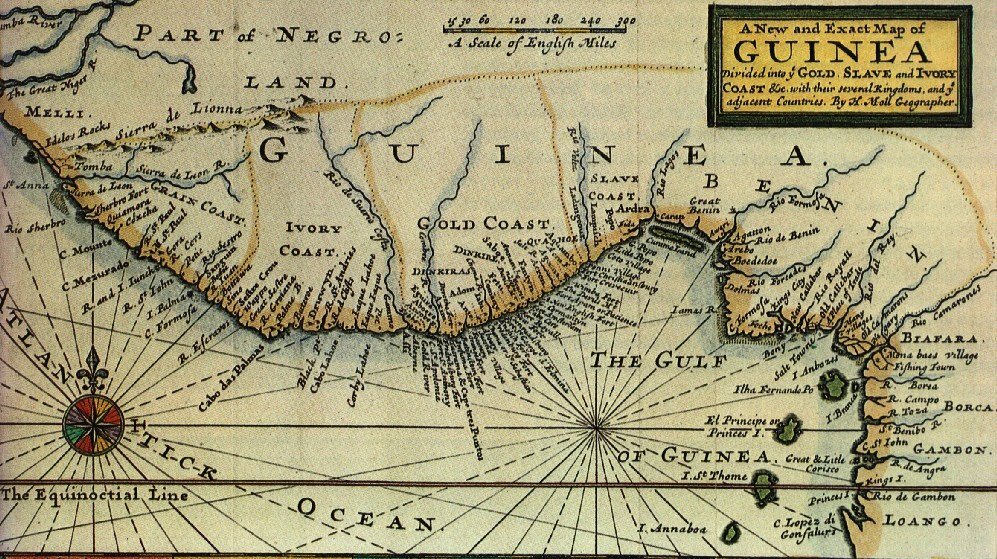
A Guinea Heritage Journeys Original
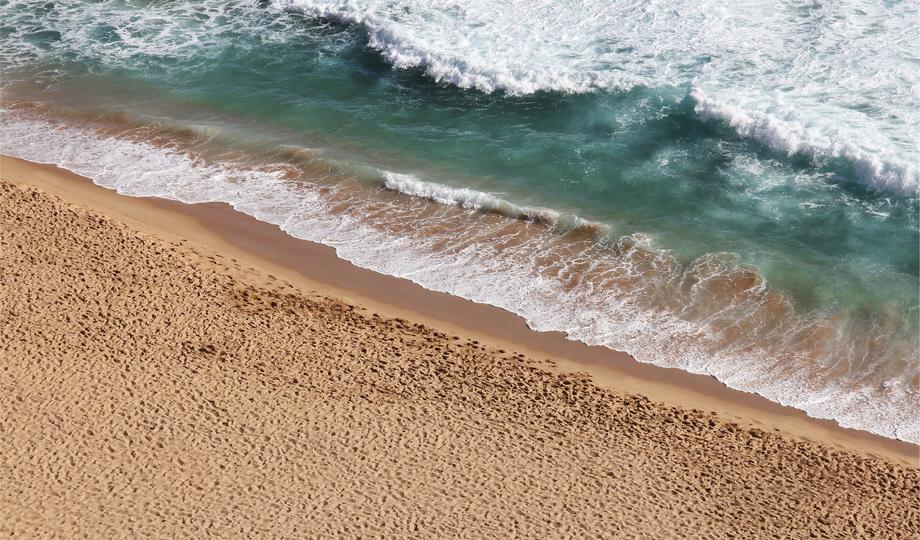
Along the quiet coastline of modern Guinea, where fishing boats rest on warm sand and the Atlantic breathes in slow, steady waves, there are places where the past still whispers. These shores once formed part of a vast and painful network — the trans‑Atlantic slave trade — a system that reshaped continents and lives for centuries.
Today, many of the physical structures are gone. Time, storms, and neglect have erased the walls. But the memory remains. It lives in oral histories, in community traditions, in the names of old trading posts, and in the stories passed down through generations.
This journey is not about ruins. It is about remembrance.
Guinea VibesSearch our Network. Start here.
The Coast Where History Turned Into Commerce
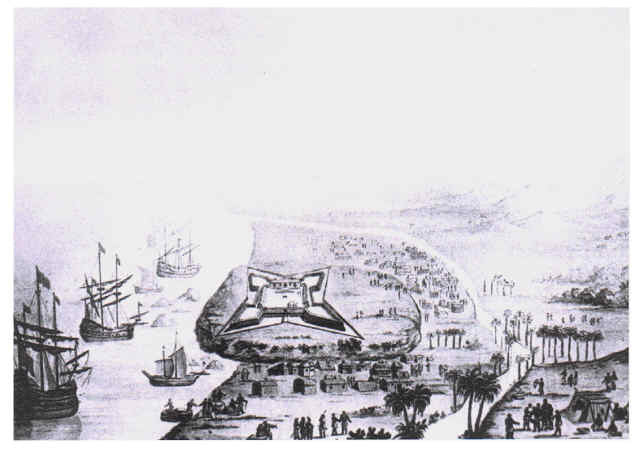
From the 16th to the 19th century, European traders — Portuguese, Dutch, British, and French — established fortified trading posts along West Africa’s coastline. In what is now Guinea, these posts were smaller and less monumental than the stone castles of Ghana or Senegal, but their purpose was the same: to control trade routes, secure coastal access, and participate in the trafficking of human beings.
Many of these forts were simple structures: wooden palisades, warehouses, lookout towers, and anchored ships serving as floating prisons. Their presence reshaped coastal communities, pulling them into a global system of exploitation.
Local societies were not passive. Some resisted fiercely. Some negotiated under pressure. Some were torn apart by the violence of the era.
The coastline remembers all of it.
Communities Caught Between Worlds
The regions around modern Conakry, Boké, and the islands of the Loos Archipelago were deeply affected. These areas became points of contact — and conflict — between European traders and local populations.
Villages were displaced. Families were separated. Social structures were strained by the pressures of foreign demand.
Yet even in the darkest chapters, there were acts of resistance:
communities hiding vulnerable members
leaders refusing to cooperate
escapes through mangrove forests
alliances formed to protect coastal villages
These stories survive through oral tradition — spoken quietly, but never forgotten.
The Loos Islands: A Silent Witness
Just off the coast of Conakry lie the Loos Islands — Kassa, Room, and Tamara. Today they are peaceful, known for beaches and fishing villages. But centuries ago, they were strategic points for European ships.
Anchored vessels served as temporary holding sites. Goods were exchanged. Captives were transported to larger forts in neighboring regions.
The islands hold no visible monuments, yet they remain one of Guinea’s most important memory landscapes — places where the ocean carries echoes of journeys that should never have happened.
The Disappearance of the Forts — And the Survival of Memory
Unlike the massive stone fortresses of Elmina or Gorée, Guinea’s slave trade structures were mostly built from wood and earth. They did not survive storms, wars, or time.
But their absence does not erase their impact.
Memory survives through:
oral histories
community elders
regional archives
colonial records
cultural traditions
the names of old trading sites
In Guinea, history is not always found in walls. It is found in people.
Walking the Coast Today
To walk Guinea’s coastline today is to walk through layers of time.
You see:
fishermen repairing nets
children playing near the water
boats returning with the day’s catch
mangroves breathing quietly
the Atlantic stretching endlessly
And beneath all of it lies a story — not visible, but present.
A story of loss. A story of resilience. A story of communities that endured and rebuilt.
This journey is not about sorrow alone. It is about honoring those who lived through it, and those who kept the memory alive.
Why This Memory Matters Today
Guinea’s heritage is rich, complex, and deeply human. Understanding the slave trade era is essential not to reopen wounds, but to recognize the strength of the communities who survived it.
It teaches us:
how global history shaped local lives
how resilience becomes culture
how memory becomes identity
how Guinea’s coastline carries stories that connect Africa, Europe, and the Americas
This is part of Guinea’s heritage — and part of the world’s history.
A Journey That Continues
Guinea’s Slave Trade Forts may no longer stand, but their memory does. Through storytelling, research, and community voices, we can preserve these histories with dignity and clarity.
This is the purpose of Guinea Heritage Journeys: to honor the past, illuminate the present, and carry memory forward.
More stories will follow. More journeys will unfold. And together, they will form a living archive of Guinea’s heritage.