Coastal Trading Families of Guinea — The Last Slave Networks After Abolition
A Guinea Heritage Journeys Original
Along Guinea’s Atlantic coast, history did not end when abolition was declared. In many places, it simply changed shape.
By the mid‑19th century, European powers had officially outlawed the trans‑Atlantic slave trade. Treaties were signed. Patrol ships were deployed. Public opinion shifted. But in the hidden corners of West Africa’s coastline, a different reality continued — one driven by profit, secrecy, and powerful coastal families who operated between worlds.
These families were often of mixed European and African heritage, descendants of earlier traders, interpreters, and intermediaries. They lived in coastal enclaves, spoke multiple languages, and held influence over trade routes and local politics. Their identity gave them access to both European merchants and African communities — a position that allowed them to continue trafficking people long after the world claimed it had stopped.
This is their story — not told to condemn individuals, but to illuminate a system that survived through silence, secrecy, and economic power.
Guinea VibesSearch our Network. Start here.
A Trade That Refused to Die
By the 1830s and 1840s, the slave trade had become illegal across most European empires. But demand in the Americas remained high, especially in Brazil and Cuba. As a result, illegal networks flourished along the West African coast.
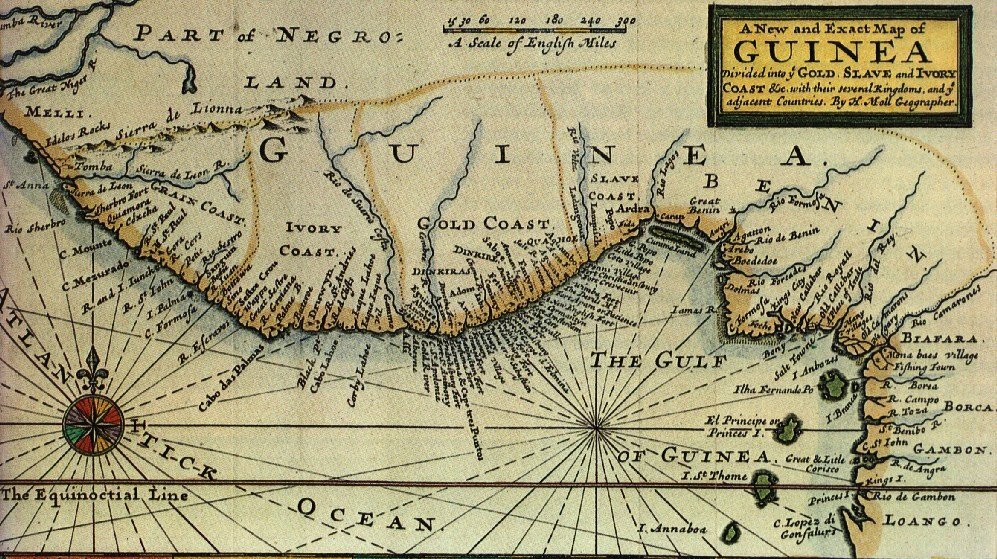
Guinea’s shoreline — with its islands, mangroves, and hidden coves — became a perfect environment for clandestine operations.
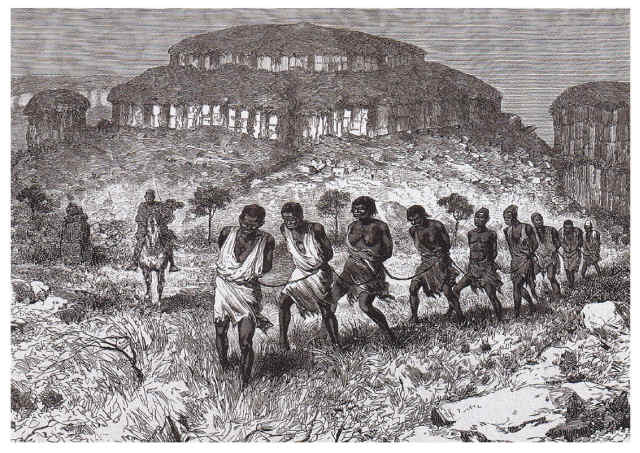
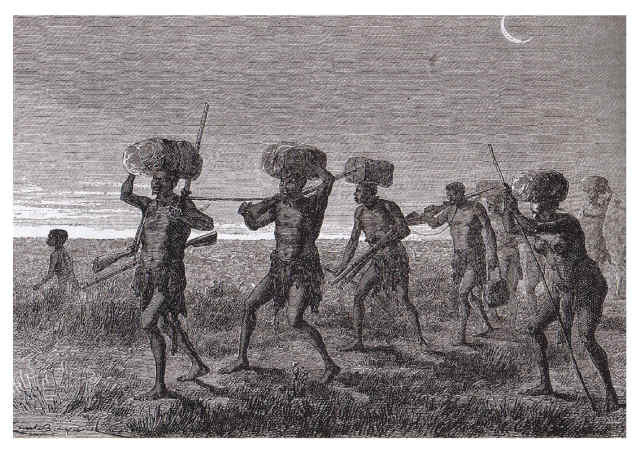
Ships anchored offshore. Captives were moved at night. Transactions were disguised as “palm oil” or “timber” exports. And coastal families acted as brokers, guides, and negotiators.
They were not the only ones involved — but they were essential.
Who Were These Families?
Historical records describe them as:
Euro‑African trading dynasties
Creole merchant families
Coastal intermediaries
Mixed‑heritage clans tied to European companies
They were not defined by race — they were defined by their position in the trade system.
Some had European fathers and African mothers. Some were descendants of earlier traders who settled permanently. Some were African families who adopted European trade practices and alliances.
Their identity gave them:
access to European ships
knowledge of coastal geography
influence over local chiefs
multilingual communication skills
economic leverage
This combination made them powerful — and dangerous.
Operating in the Shadows
Even after abolition, these families continued:
arranging secret shipments
negotiating prices
hiding captives in mangrove channels
bribing officials
using small boats to reach offshore vessels
maintaining coded communication with foreign traders
British anti‑slavery patrols documented these networks repeatedly. French colonial archives mention them. Oral histories in coastal Guinea remember them.
They were not acting alone — but they were central nodes in the illegal trade.
Communities Under Pressure
It is important to understand that coastal communities were not monolithic. Many resisted. Many protected their people. Many refused to cooperate.
But others were forced into impossible choices:
economic survival
political pressure
threats from armed traders
manipulation by foreign powers
The coastal trading families thrived in this environment — using influence, wealth, and connections to maintain control.
The Human Cost
Every illegal shipment after abolition represented:
a broken family
a stolen future
a community wounded
a life uprooted forever
These networks prolonged suffering decades after the world claimed it had ended.
Their legacy is not one of identity — but of exploitation.
Why This Story Matters Today
Talking about these families is not about blame. It is about truth.
Guinea’s history is complex. It contains resistance and collaboration, courage and betrayal, suffering and survival.
By understanding how these networks operated, we honor:
the victims
the communities that resisted
the ancestors who endured
the truth that must never be forgotten
This is part of Guinea’s heritage — and part of the world’s responsibility.
A Memory That Belongs to Everyone
The coastal trading families of Guinea were not defined by their blood. They were defined by their choices.
And today, remembering their role helps us understand:
how systems of exploitation survive
how power operates in the shadows
how communities resist
how memory shapes identity
This is why Guinea Heritage Journeys exists — to tell the stories that history books often avoid, with dignity, accuracy, and humanity.
More journeys will follow. More truths will be explored. And together, they will form a living archive of Guinea’s past.